Understanding cheap chicken: how choosing higher welfare makes a difference
By Kate Parkes, RSPCA farmed animal welfare scientist
Walk into almost any supermarket, and you’ll see packs of chicken at a range of different prices. Some are surprisingly cheap, while others cost considerably more.
But why is there such a difference in price, and what does it mean for the chickens?
There are lots of reasons why chicken can vary in price, but it’s usually connected to the way it’s been farmed.
For example, the breed of chicken and how quickly it grows, how much space the birds have, and the conditions they’re kept in can all make a difference to the final price paid by the consumer.
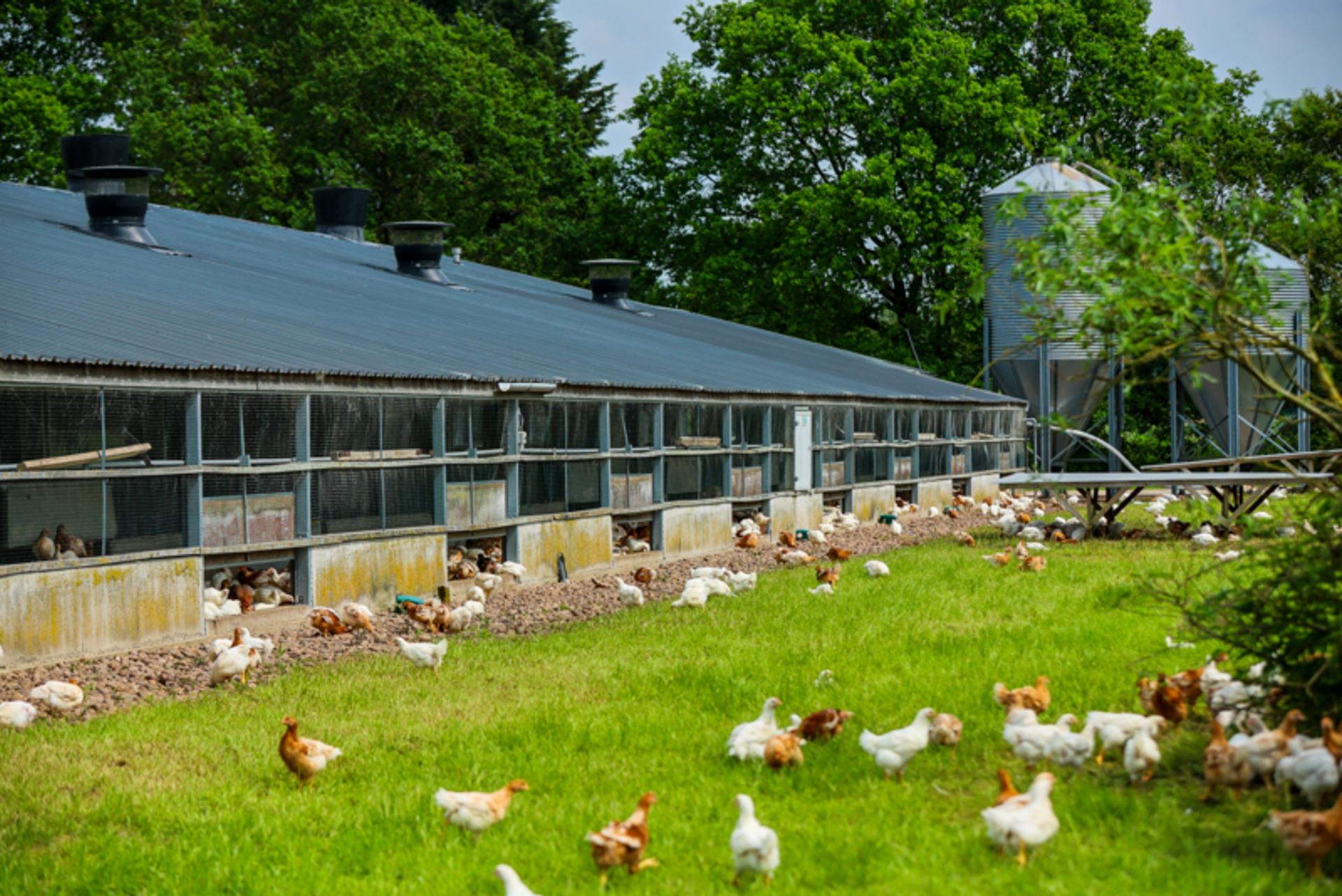
And, as you’d expect, free-range and organic chicken generally costs more than chickens reared in indoor sheds because these farms have to meet additional requirements. These include chickens being given access to the outdoors for a minimum amount of time and lower stocking densities.
So, if you see two packs of chicken that look similar but one costs more than the other, it’s worth checking the labels more closely. The price can reflect differences in how the chickens have been housed and cared for.
As an RSPCA Assured assessor, I visit our members’ farms to check they’re meeting the RSPCA’s higher welfare standards. Every time I go to a farm, I notice how chickens are responding to the conditions they’re kept in.
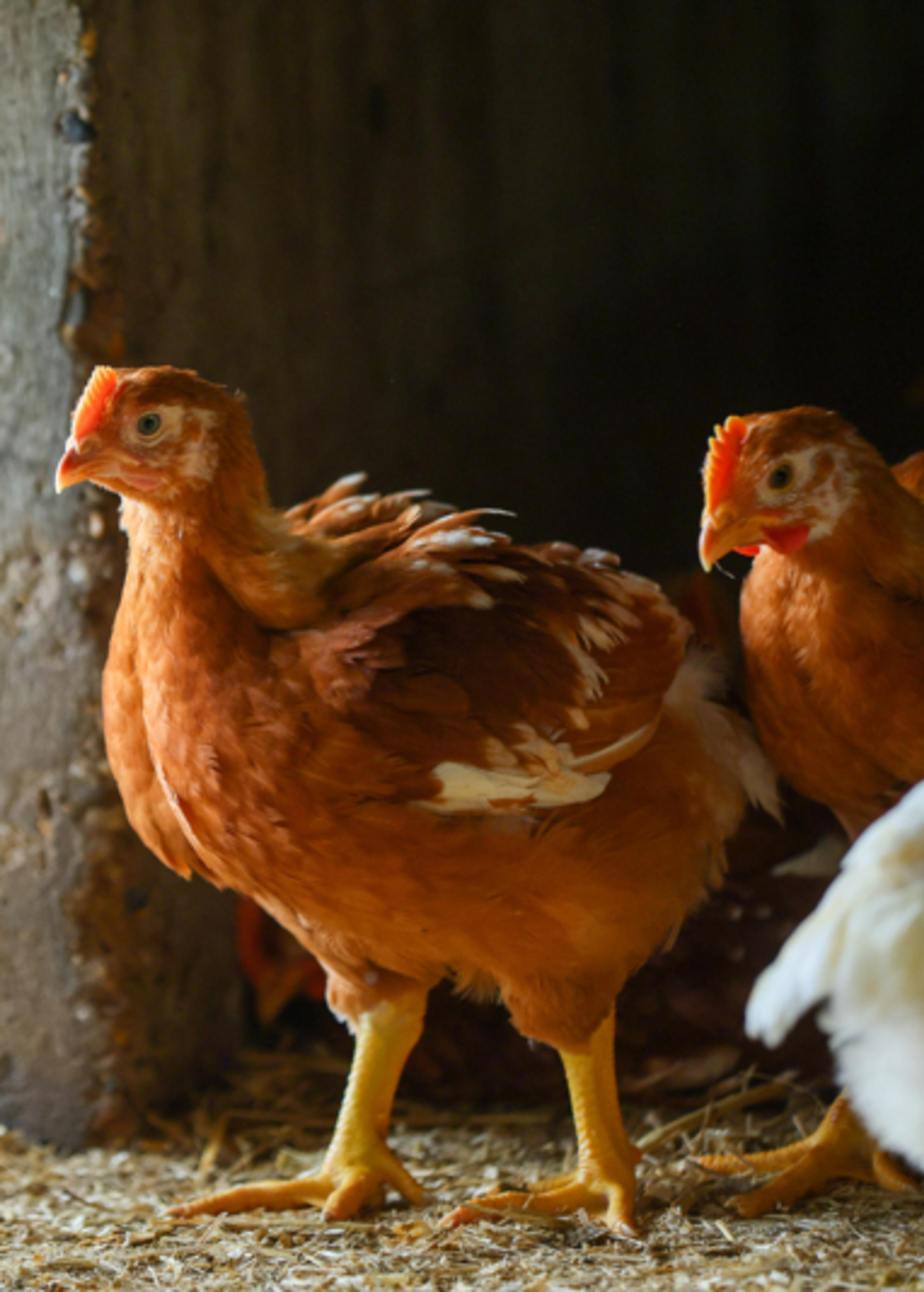
Thankfully, on our members’ higher welfare farms, I see active birds moving around, scratching, pecking and making use of the space and enrichment provided for them.
Why does chicken growth-rate matter?
One of the things that can make a particularly big difference to welfare is the rate at which the chickens grow.
Birds bred to grow extremely quickly can become less active as they get bigger, with some even struggling to walk. It’s a serious welfare issue.
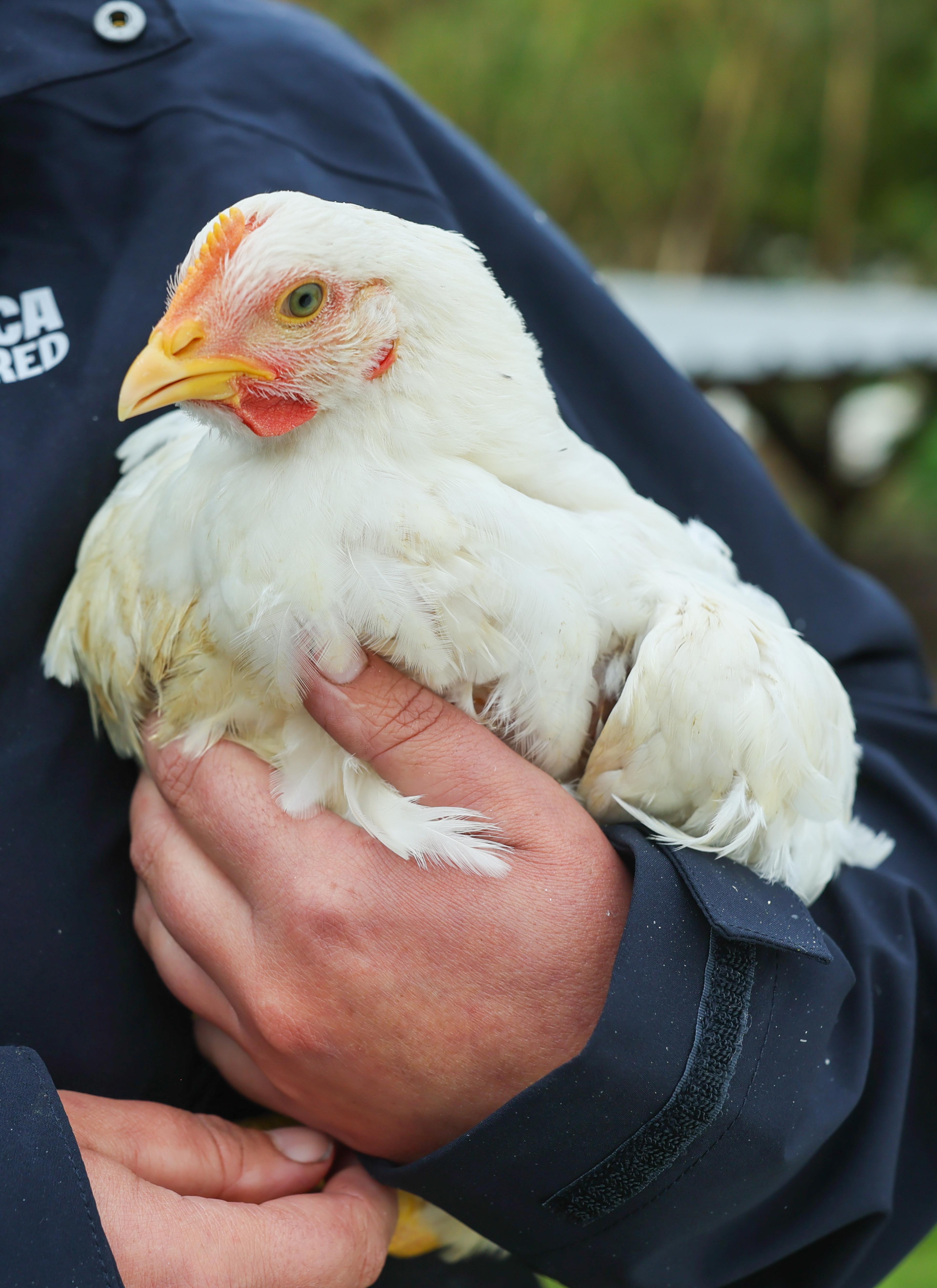
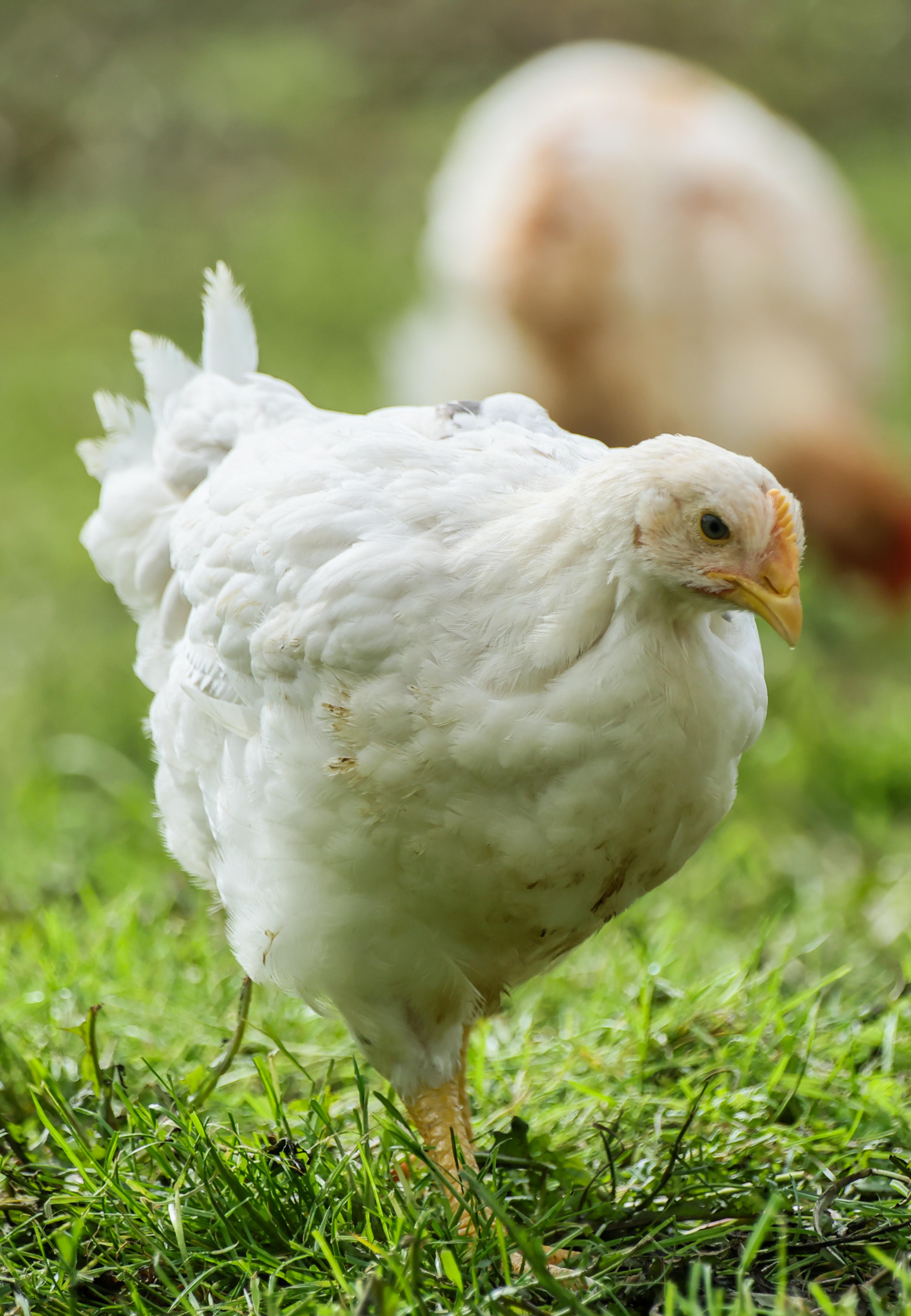
Slower-growing chickens, on the other hand, are much more likely to stay active and mobile as they grow – something I see when visiting RSPCA Assured members’ farms.
Why do chickens grow so fast?
When I’m asked about how chickens are farmed, one of the most common questions is: why do some chickens grow so quickly?
The answer isn’t growth hormones, as many people think. It’s largely down to selective breeding.
Over decades, chickens have been selectively bred to grow bigger and reach their slaughter weight more quickly. They’re also given carefully formulated, energy-rich diets to support this rapid growth.
In the late 1950s, it took around 70 days for a free-range meat chicken to reach a typical slaughter weight. Today, conventional fast-growing barn-raised chickens can reach that weight in just 35 days.
That’s a huge change in a relatively short period of time.
The problem is that when a chicken’s body grows extremely quickly, its muscles can develop faster than its bones, heart and other organs can support. This can affect the bird’s health, mobility and ability to behave normally.
What are chickens given to make them grow faster?
There’s a common misconception that commercially farmed chickens are given growth hormones to make them grow quickly.
Growth hormones aren’t permitted in UK poultry production.
Instead, the rapid growth of conventional meat chickens is primarily the result of genetic selection, combined with energy-dense feed.
Lighting programmes can also be used in conventional systems to encourage birds to eat and drink regularly and to manage their daily activity.
How long are chickens farmed for meat?
A conventional fast-growing meat chicken can reach slaughter weight at around five weeks old.
On RSPCA Assured farms – whether indoor, free-range or organic – chickens must be slower-growing breeds. They take longer to reach their slaughter weight, giving their bodies more time to develop.
Depending on the breed and farming system, chickens on RSPCA Assured-certified farms are up to eight weeks old when they’re slaughtered.
That extra time isn’t simply about making the chicken older. Because these slower-growing birds are selected to grow at a more balanced rate, they’re able to stay more active and mobile as they get bigger, and their welfare is improved.
What happens when chickens grow too quickly?
Rapid growth can affect several aspects of a chicken’s health and welfare.
Leg and mobility problems
A chicken needs strong, healthy legs to support its body.
When birds grow very quickly, their legs and skeleton can struggle to support their rapidly increasing body weight. This can lead to leg weakness and mobility problems, which can be painful for the bird.
A chicken that finds walking difficult may spend more time sitting down and be less able to reach food and water or move away from wet or dirty areas of litter. This can also increase the risk of painful conditions such as hock burn and footpad sores, where the skin on the legs and feet becomes sore and damaged.
That’s why good mobility and litter quality are both important parts of chicken welfare. Chickens need to be able to move around comfortably, while the litter they spend their lives on needs to be kept dry and in good condition.
Heart and respiratory problems
Rapid growth can also put additional strain on a chicken’s heart and respiratory system. In some birds, this can lead to serious health problems and, in severe cases, sudden death.
Less activity and natural behaviour
As fast-growing birds become heavier, they can become less inclined or able to move around.
When there are also large numbers of birds in a house and space is limited, this can further restrict their ability to move freely and make use of their surroundings.
Together, these factors can limit opportunities to explore, scratch, peck and forage – behaviours that are important to chickens.
So both the breed of chicken and the amount of space they have are important aspects of good welfare.
What does higher welfare chicken mean?
For me, higher welfare means giving chickens the best possible opportunity to have a good quality of life.
When I visit an RSPCA Assured farm, I want to see chickens that are healthy, active and comfortable, with an environment that allows them to behave naturally.
That’s why the RSPCA’s strict welfare standards include requirements covering the breed of chicken, stocking density, housing, lighting, litter, enrichment, health and more.
For example:
- Slower-growing breeds: only slower-growing breeds that develop at a balanced rate are allowed, helping support better health and mobility
- More space to move: chickens must have more space than the minimum required by UK law, giving them room to move around freely and stay active
- Natural daylight: housing must provide natural daylight, helping birds to utilise their vision to their full potential.
- Environmental enrichment: chickens must have access to enrichment such as perches, straw bales and pecking objects. These encourage natural behaviours like exploring, scratching, pecking and perching
- Good-quality litter: birds must have access to suitable litter that allows them to scratch and forage and helps protect the health of their feet
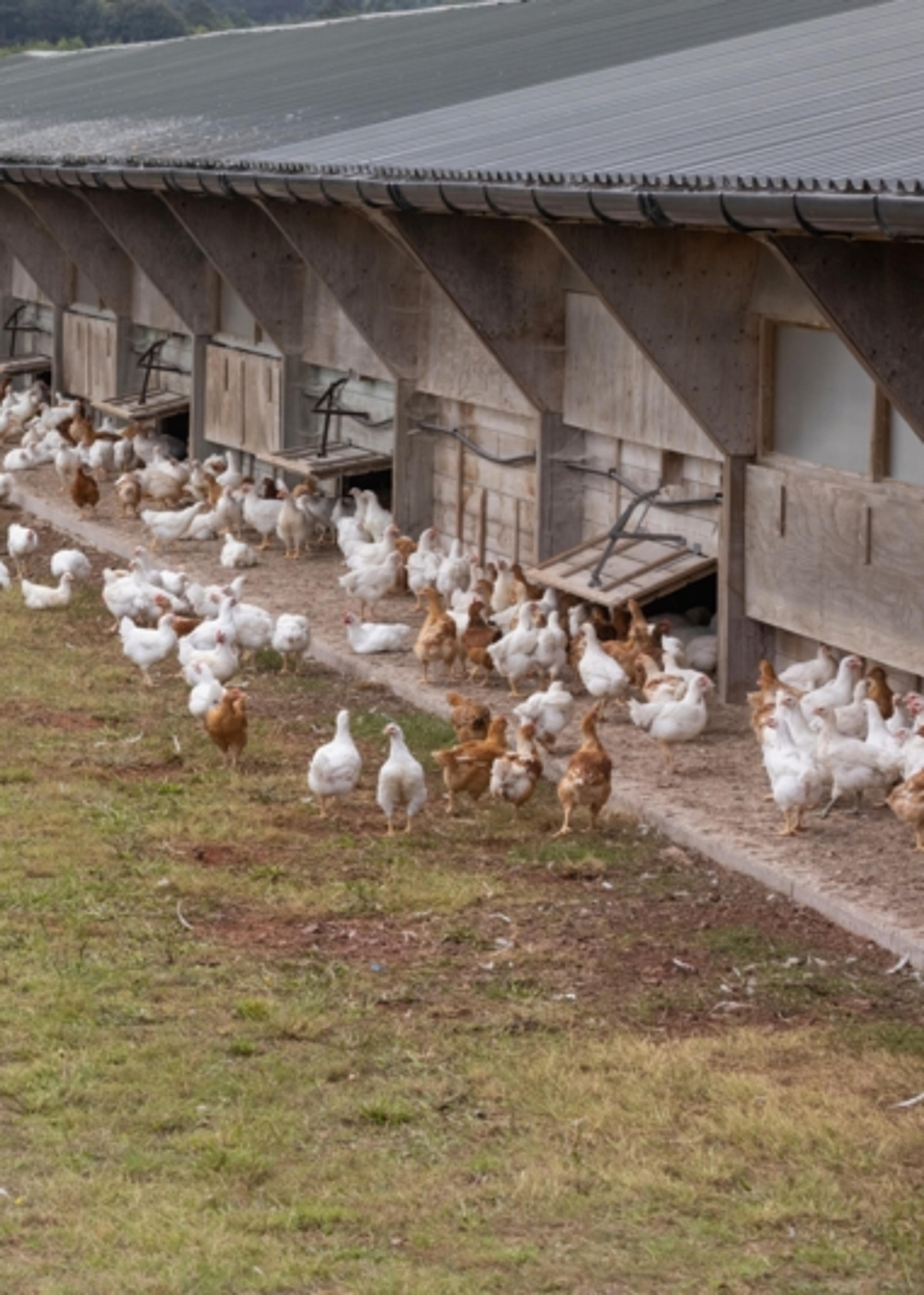
- Shade and shelter outdoors: for free-range chickens, their outdoor areas must include trees, bushes and shelters to protect birds from bad weather. This also helps them feel safe and encourages them to make use of the range.
These things might sound simple, but they can make a huge difference. When I walk through an RSPCA Assured chicken farm and see birds actively moving around, scratching, pecking and exploring their surroundings, it’s clear to me how important all of these elements are to their welfare.
What about free-range chicken?
Of course, it’s good to look for free-range on the packet if you’re buying chicken. But it doesn’t necessarily tell you everything about a chicken’s welfare.
Free-range chickens must have access to the outdoors, but the breed of chicken and the conditions inside the house matter too.
That’s why I’d encourage shoppers to look further and consider the whole system.
The standards that must be met by RSPCA Assured members cover more than access to the outdoors.
They also include requirements for the breed, stocking density, housing, lighting, enrichment, litter, health, transport and slaughter, among other aspects of a chicken’s life.
Why don’t we eat chickens from the egg industry?
This is another question I’m asked regularly.
Meat chickens, known as broilers, and chickens bred for egg production are different types of chicken, selected for very different characteristics.
Broiler chickens have been bred to grow quickly and develop large amounts of muscle, particularly breast and leg muscle. Laying hens, on the other hand, have been selectively bred for their ability to produce large numbers of eggs.
This means laying breeds are much smaller and have far less meat on them than broiler chickens. Their bodies are geared towards producing eggs rather than putting on the muscle needed for efficient meat production.
This is why male chicks from the egg-laying industry haven’t traditionally been seen as suitable for conventional meat production.
Where can I find higher welfare chicken in UK supermarkets?
If you want to make a higher welfare choice when buying chicken, look for the RSPCA Assured label.
RSPCA Assured-labelled chicken is available from a range of UK supermarkets including Aldi, Co-op, Lidl, Marks & Spencer, Ocado, Sainsbury's and Tesco.
You may also find RSPCA Assured chicken on menus in restaurants and other food outlets.
You may also have seen the Better Chicken Commitment, which some retailers and food businesses have signed. The commitment includes switching to slower-growing breeds and lower stocking densities.
Can choosing higher-welfare chicken really make a difference?
I know food prices matter, and it can be difficult to resist saving some money when choosing between standard and higher-welfare chicken.
But choosing higher welfare doesn’t necessarily mean choosing the most expensive free-range or organic chicken.
Some RSPCA Assured-labelled chicken is reared indoors, where the farmers still have to meet the RSPCA’s higher welfare standards, including requirements for slower-growing breeds, more space, natural daylight, good quality litter and environmental enrichment.
Of course, if you prefer to buy free-range or organic chicken, you can also look for the RSPCA Assured label on these products – they’ve still been assessed to the RSPCA’s strict welfare standards.
So there are different options when choosing higher-welfare chicken, and you don’t necessarily have to pay a premium to make a higher-welfare choice. Whatever type you choose, look for the RSPCA Assured label.
Every time you choose an RSPCA Assured product, you’re supporting farmers who meet higher welfare standards and helping create demand for food produced with animal welfare in mind.
And if you can’t find RSPCA Assured-labelled chicken in your local supermarket, you can tell us. Our Ask your supermarket survey gives shoppers the opportunity to let retailers know that higher welfare matters to them.
Monday 16 November 2026