Have you spotted the new RSPCA Assured label? Here's what it means
By Laura Blundell, RSPCA Assured senior marketing manager
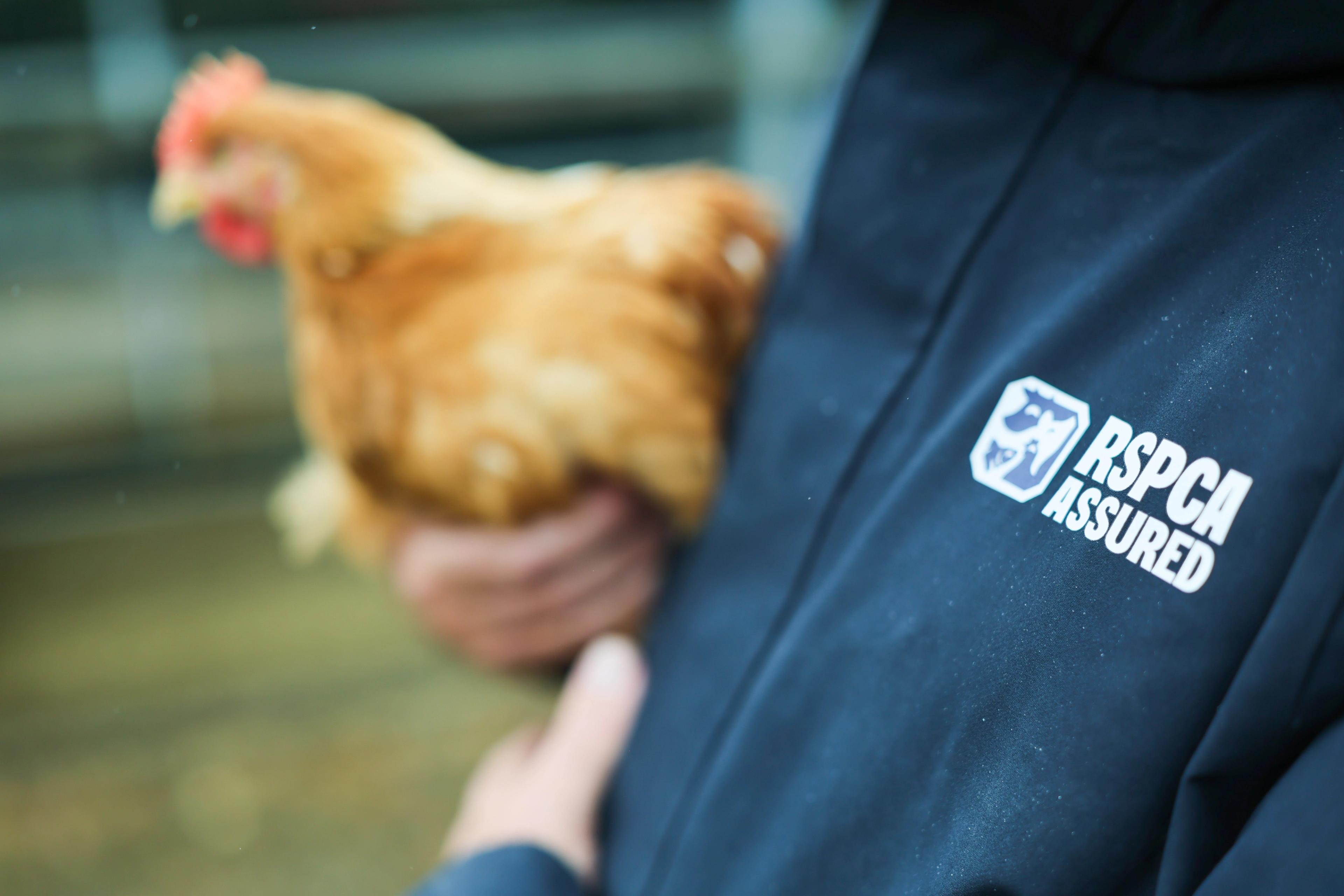
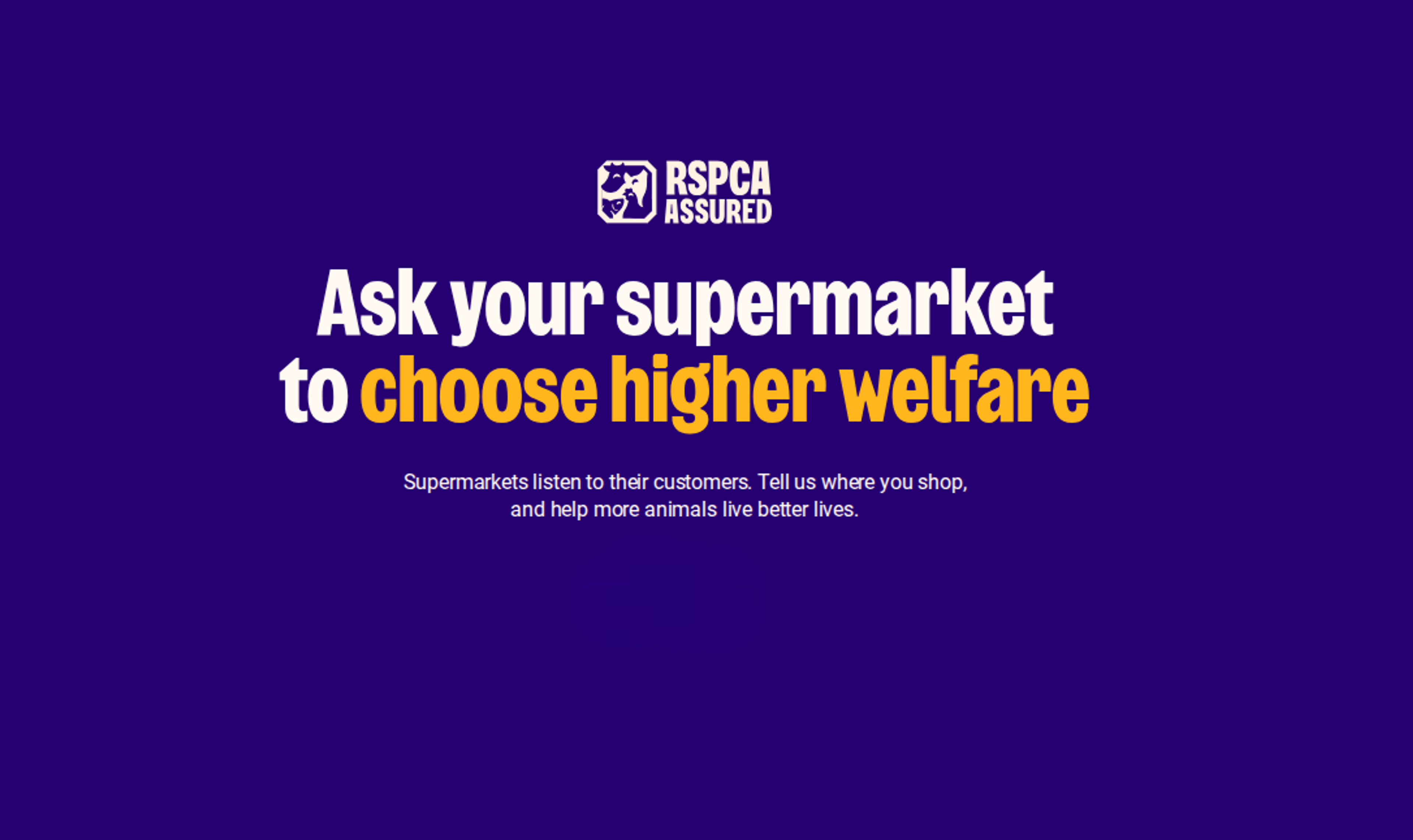
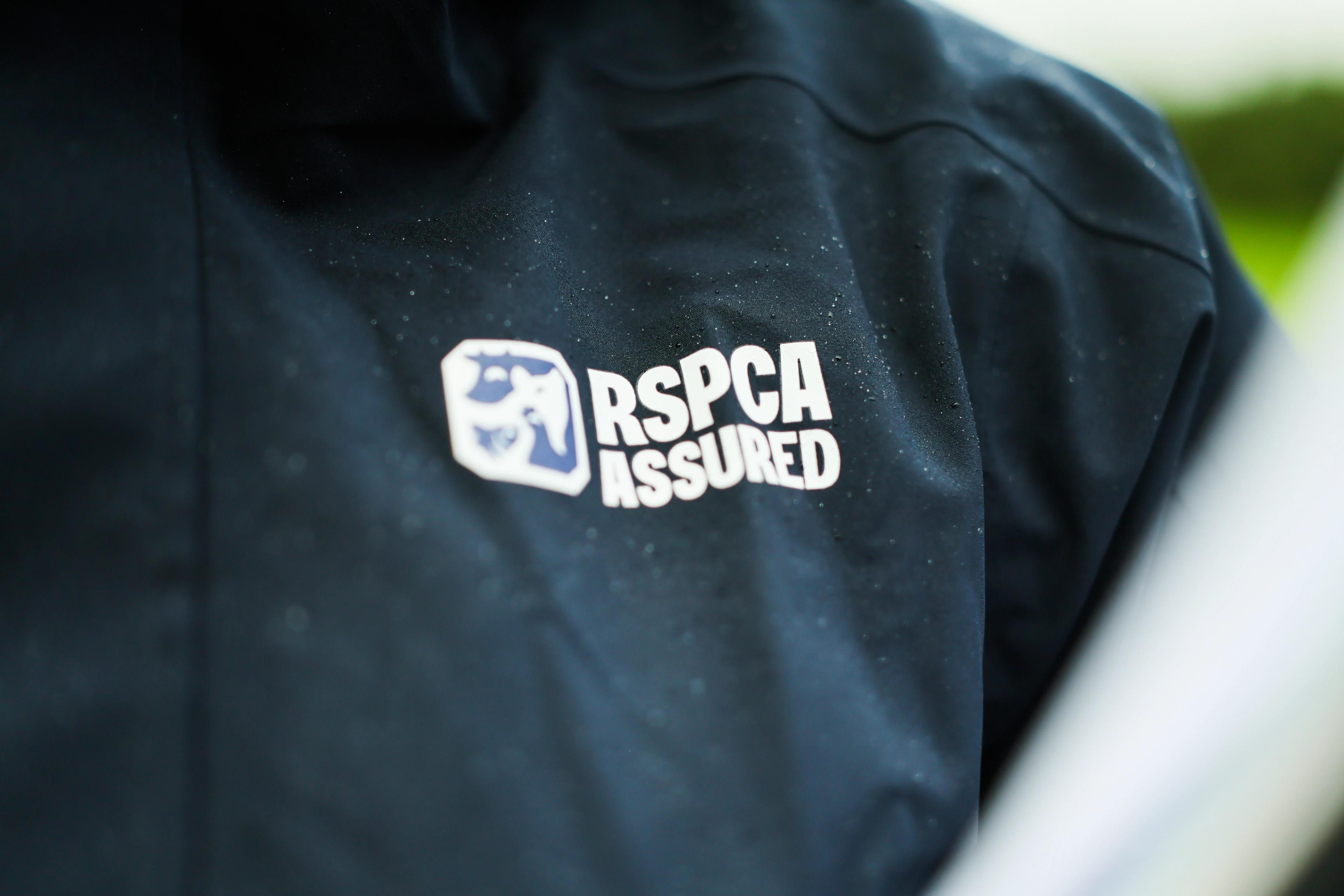
If you've been shopping recently, you may have noticed a new-look RSPCA Assured label appearing on some of your favourite higher welfare products.
Since launching our new label in October 2025, more products carrying the updated design have started appearing on supermarket shelves.
Over the coming months, you'll see both our old and new labels side by side as producers gradually update their packaging.
As someone who’s been involved in bringing our new brand to life, it’s been incredibly rewarding to start spotting the new label on supermarket shelves.
Every time I see it, I’m reminded of the huge amount of work that’s gone into making it easier for shoppers to recognise higher welfare products.
But while the label may look different, one thing hasn't changed – it still represents the RSPCA's higher welfare standards for farmed animals.
Why did we update the RSPCA Assured label?
At RSPCA Assured, we have an ambitious vision to improve the lives of more farmed animals. Making it easier for people who choose to eat eggs, meat, fish or dairy to identify higher welfare products is an important part of achieving that.
We'd been using our previous logo since 2015, when we changed our name from Freedom Food to RSPCA Assured. While it had become well recognised, we felt it was time for a refresh that better reflected who we are today.
For me, the most important thing wasn’t creating a new design for the sake of it. It was making sure the label stands out more clearly, so it’s easier for people to spot products that support higher farmed animal welfare.
Why are there two different labels?
If you've spotted both versions in supermarkets recently, that's completely normal.
We're introducing the new label over a two-year transition period to give producers time to update their packaging as part of their usual print cycles. This helps reduce unnecessary costs and avoids perfectly good packaging going to waste.
During this time, both labels represent exactly the same higher welfare standards.
You'll continue to see the old and new labels on products in supermarkets including Aldi, Co-op, Lidl, Marks & Spencer, Morrisons, Ocado, Sainsbury's and Tesco, as well as on menus in some restaurants and food outlets.
What hasn't changed?
Although the label has a fresh new look, our commitment to improving the lives of farmed animals remains exactly the same.
When you see either the RSPCA Assured label on food packaging and menus, it means farms – and every stage of the animals’ lives have been assessed to the RSPCA’s strict welfare standards.
We remain the only UK farm assurance scheme solely dedicated to animal welfare – going beyond UK law, industry schemes and retailer standards in many key welfare areas.
That’s the message I really want people to take away. While the label looks different, our mission hasn’t changed.
Every RSPCA Assured-labelled product still represents the same commitment to improving the lives of farmed animals through higher welfare standards.
Why does recognising the label matter?
In a recent survey, 62% of UK shoppers said they would be willing to spend more on British higher welfare labelled products rather than choosing cheaper alternatives.*
By making our label easier to recognise, we hope even more people will be able to make informed choices when buying meat, fish, eggs and dairy.
As more products move to the new design over the coming months, keep an eye out for the RSPCA Assured label on supermarket shelves and restaurant menus.
I hope that as more products carry the new label, even more people will start to recognise it and understand what it stands for.
Whether you see our old label or our new one, it represents the same commitment to higher farmed animal welfare.
* RSPCA Assured commissioned a survey conducted by YouGov Plc. Total sample size was 2,131 adults. Fieldwork was undertaken between 4 and 5 September 2025. The survey was carried out online.
Friday 7 August 2026