I’ve seen how chickens are farmed. Here’s how to choose higher-welfare chicken
By Kate Parkes, RSPCA farmed animal welfare scientist
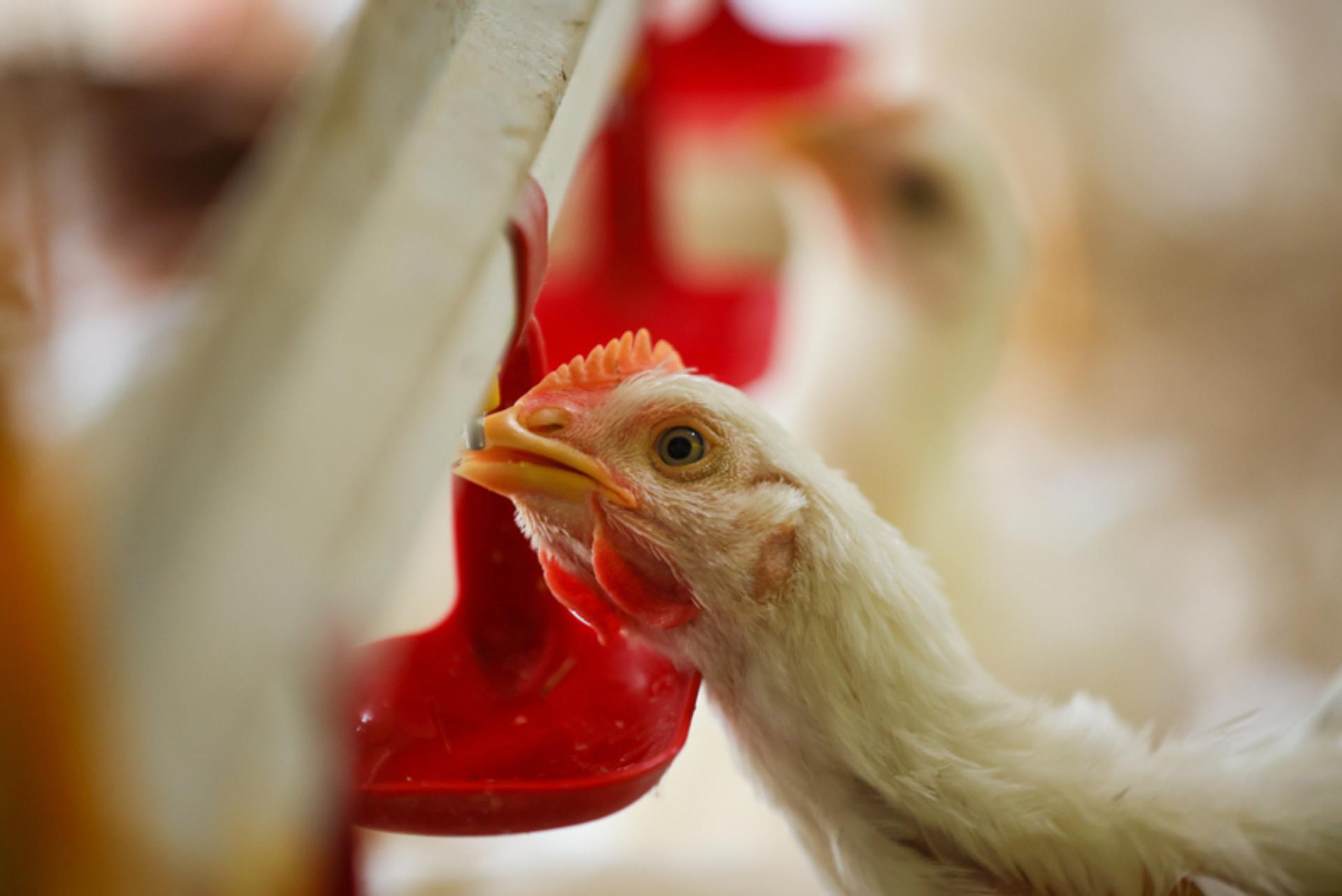
I spend a lot of my working life visiting chicken farms, seeing how chickens are cared for and working to improve their welfare.
I’ve walked through sheds full of thousands of birds, talked to farmers who care for them every day. I’ve seen how decisions about the way chickens are bred, housed and cared for can make a real difference to their welfare – and to their lives.
And one thing that’s stayed with me: when you know what good chicken welfare looks like, it’s difficult to look at a packet of chicken in quite the same way again.
Most of us don’t think about the chicken behind the food on our plate. We’re used to seeing cheap chicken on the supermarket shelf, as a bargain bucket takeaway or in a chicken sandwich meal deal for lunch.
It’s so easy to lose the connection between the food we eat and how the animals have lived.
But there’s an individual behind every one of those meals. And the way that chicken was bred and farmed can make a huge difference to its life.
The good news is that you can make a difference through the choices you make when you shop.
What is low-welfare chicken farming?
Around 95% of chickens reared for meat in the UK are raised in standard intensive indoor systems.
Most lower-welfare systems use fast-growing chicken breeds and some use higher stocking densities to keep prices as low as possible.
But this can have serious consequences for bird welfare:
- Fast-growing chicken breeds: lower-welfare chickens are often bred to grow unnaturally fast, reaching market weight in around just 35 days. Because their bodies develop faster than their bones and hearts can handle, many suffer from severe, painful leg conditions, heart issues, and lameness
- Crowded living conditions: in some lower-welfare systems, chickens have limited space to move around, forage, or display their natural behaviours.
What’s a Frankenchicken?
You may have heard the term ‘Frankenchicken’ used to describe chickens bred to grow extremely quickly.
It isn’t a scientific term, but it’s often used to describe modern fast-growing broiler chickens. These birds have been selectively bred to reach their slaughter weight quickly – often in around 35 days.
Their bodies can grow faster than their bones and cardiovascular systems can comfortably support.
This can contribute to serious health and welfare problems, including painful leg conditions, lameness and heart problems.
Seeing a bird struggle to walk because its body has grown too quickly is a powerful reminder that growth rate really matters to animal welfare.
That’s why RSPCA Assured never permits fast-growing chickens.
What does higher welfare chicken farming look like?
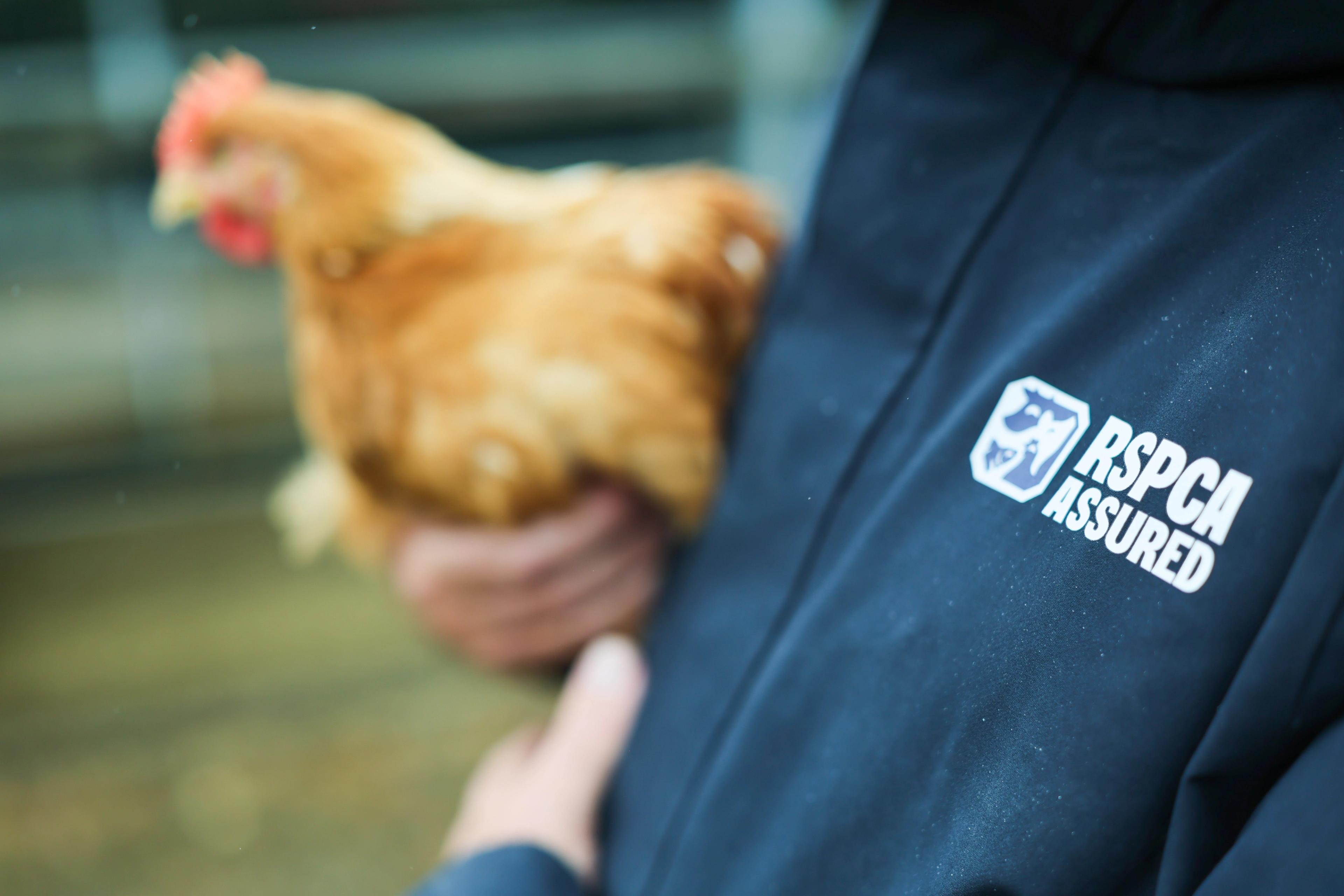
When I visit farms operating to the RSPCA’s higher welfare standards, the difference is striking.
For chickens to be labelled RSPCA Assured, farms – and every stage of the animals’ lives – have been assessed to the RSPCA’s strict welfare standards.
Here are some of the main differences:
Slower-growing breeds
RSPCA Assured members’ farms must use slower-growing breeds.
Giving chickens more time to develop allows their bodies to keep pace with their growth. This helps reduce the welfare problems associated with extremely fast growth and gives birds more opportunity to move around and behave normally.
And when I’m walking through a shed, one of the things I always notice is activity.
Chickens are naturally curious animals. They should have opportunities to move around, explore and interact with their environment.
More space to move
Stocking density matters too.
The RSPCA welfare standards require more space, giving chickens greater opportunity to walk, flap their wings and move around without being crowded together.
I’ve seen the massive difference this can make – it’s an environment where they can move, explore and behave more like chickens should.
A more interesting environment
The RSPCA’s chicken welfare standards require birds to have natural light, perches and suitable enrichment such as straw bales and pecking objects.
When you give chickens opportunities to forage, peck and explore, you see them using those opportunities.
For me, that’s one of the most important things about higher welfare farming: it’s not just about preventing suffering. It’s also about giving animals opportunities to have positive experiences.
How can you tell which chicken is higher welfare?
This is where things can get confusing for shoppers if you don’t know what to look for.
There are lots of claims on packaging, and it isn’t always easy to understand what they mean for animal welfare.
If you want to buy higher welfare chicken brands, be cautious about words such as ‘premium’, ‘farm assured’ or ‘British’. Instead, look for a recognised welfare assurance label that represents clear, independently assessed welfare standards.
The RSPCA Assured label is the only way to identify chicken produced to the RSPCA’s higher welfare standards.
When you see the label on chicken, you know the birds have been farmed according to standards covering important aspects of their welfare, including breed, stocking density, housing, enrichment and care.
And, importantly, RSPCA Assured never permits fast-growing chicken breeds.
How you can support higher welfare chicken
You might read all this and wonder what difference you can make.
Quite a lot, actually.
Millions of chickens are farmed for meat in the UK, and around 3.7 million are consumed there every day. So even small changes in what consumers choose can add up to something different.
If you choose to eat chicken, you can make a meaningful difference by choosing better when you can:
Eat less, buy better
If you want to reduce the amount of meat you eat, that’s a positive choice too. You could swap a couple of meat meals each week for veggie alternatives. And when you choose to have chicken, buy a higher-welfare option.
Ask where your chicken comes from
Eating out or ordering takeaway? Ask where the chicken comes from. It might feel like a small thing, but consumer demand is one of the most powerful tools for driving industry-wide change.
Ask your supermarket to do better
You can also let your supermarket know that you want to buy more higher-welfare products.
Because ultimately, that’s what I want to see more of: consumers asking questions, farmers who want to do better being supported, and businesses taking animal welfare seriously.
Look for the RSPCA Assured label
The simplest way to choose higher welfare chicken is to look for the RSPCA Assured label. Ask questions. Choose higher welfare where you can. Because every purchase is a chance to support a different kind of chicken farming.
Tuesday 25 August 2026