Why are eggs different colours?
By Charlotte Arthur, RSPCA senior scientific and policy officer for poultry

From white and brown to blue, green and speckled, eggs come in a surprising range of colours.
One of the questions I’m often asked is whether different coloured eggs are healthier, tastier or somehow better than others.
In reality, eggshell colour is determined by genetics – specifically the breed of hen that laid the egg.
While shell colour tends to get a lot of attention, it actually tells us very little about the quality of the egg.
Many people assume brown eggs are healthier than white eggs or that darker yolks are more nutritious.
In reality, most of these differences come down to the hen’s breed and diet rather than the colour of the shell itself.
In this blog, I’ll explain:
- Why eggs come in different colours
- Whether brown eggs are healthier than white eggs
- What causes blue eggs and speckled eggs
- Whether shell colour affects taste or nutrition
- How hen welfare can influence egg quality.
Egg colour is determined by the breed of hen
The main reason eggs come in different colours is genetics.
Different breeds of laying hen naturally produce different coloured eggs.
While there are exceptions, you’ll often find that:
- White-feathered hens with white earlobes lay white eggs
- Brown-feathered hens with red earlobes lay brown eggs
- Some heritage and specialist breeds lay blue, green or olive-coloured eggs.
The colour comes from pigments added to the shell during the final stages of egg formation inside the hen’s reproductive tract.
Brown eggs get their colour from a pigment called protoporphyrin, while blue eggs get their colour from biliverdin – a naturally occurring pigment also involved in the formation of bruising in humans.
An interesting difference is that blue pigment is deposited throughout the shell, whereas brown pigment is added mainly to the outer surface. That’s why blue eggs are blue on the inside as well as the outside.
Are brown eggs healthier than white eggs?
This is one of the most common myths about eggs, but shell colour has no influence on nutritional value.
All eggs contain similar amounts of:
- Protein
- Vitamins and minerals
- Fat
- Calories.
Shell colour also doesn’t affect freshness, food safety or overall egg quality.
If you’re looking for quality eggs, factors such as freshness, storage conditions, and the welfare of the hens that laid them are more important than whether the shell is brown or white.
Blue, green and unusual egg colours
Blue eggs are laid by certain breeds of hen, including araucanas and cream legbars.
The distinctive blue colour comes from the pigment biliverdin, which is deposited throughout the eggshell as it forms. Some hens can also lay green or olive eggs, which happens when brown pigment is added over a blue shell.
Eggs can naturally be:
- White
- Cream
- Light brown
- Dark brown
- Blue
- Green
- Olive
- Speckled.
Hens will consistently lay the same shell colour throughout their lives because shell colour is determined by genetics.
A hen that lays brown eggs won’t suddenly start laying white eggs, and a hen that lays white eggs won’t suddenly start laying brown eggs.
However, shell colour can become slightly lighter as hens age, and some breeds naturally produce a range of shades.

Speckles, spots and shell patterns
Speckled eggs are completely natural and are often caused by uneven pigment deposits as the egg moves through the shell gland.
Some breeds are more likely to lay speckled eggs than others, and factors such as age or stress can also slightly influence shell appearance.
In most cases, speckles are simply cosmetic and don’t affect the quality or safety of the egg.
Why don’t we see as many white eggs in UK shops?
Brown eggs have dominated UK supermarket shelves for decades, but that wasn’t always the case. Until the 1970s, white eggs were actually more common in the UK.
The change happened as consumer preferences shifted. Many shoppers began to favour brown eggs, often believing they were more natural or higher quality, even though shell colour has no impact on nutrition, taste or welfare. In response, retailers stocked more brown eggs, and over time, they became the norm.
Today, however, white eggs are making a comeback. Some egg producers are introducing breeds that lay white eggs because they can be more efficient, requiring less feed while maintaining good egg production.
As a result, shoppers are increasingly seeing both white and brown eggs on supermarket shelves.
The important thing to remember is that shell colour simply reflects the breed of hen that laid the egg. White eggs are just as natural and nutritious as brown eggs, and neither colour is a sign of better quality.
Why are eggs different sizes?
Just as egg colour is determined largely by genetics, egg size is influenced by a combination of factors, including the breed, age and health of the hen.
In the UK, eggs are graded by weight rather than by their appearance. The sizes you’ll typically see in shops are:
- Small: under 53g
- Medium: 53 to 63g
- Large: 63 to 73g
- Very large: 73g and over.
A hen’s age plays a particularly important role in the size of eggs she lays. Younger hens typically produce smaller eggs, while older hens tend to lay larger eggs.
Unfortunately, strong demand for large eggs in the UK can encourage some producers to increase egg size in younger hens, as larger eggs often command a higher market value.
This is typically achieved through nutrition and lighting programmes. However, encouraging young hens to lay larger eggs can affect their long-term health and increase the risk of welfare problems such as prolapse – a painful condition in which part of the hen’s reproductive tract is pushed outside the body during egg laying.
When you buy RSPCA Assured eggs, you can be confident that producers have measures in place to minimise the welfare risks associated with young hens laying large eggs.
This includes monitoring bird and egg weights to ensure they remain within the recommended range for the breed, and seeking advice from poultry nutritionists and vets if they fall outside those recommendations.
Another way to support hen welfare is to choose mixed-weight or medium eggs when you’re out shopping. Medium eggs work perfectly well in most recipes, and by opting for them, you can help reduce the demand for larger eggs. It’s a small change that can make a meaningful difference to the welfare of laying hens.
How long does it take for a hen to lay an egg?
Producing an egg is a remarkable process.
It typically takes a hen between 24 and 26 hours to produce a single egg, with most of that time spent forming the shell.
Although eggshells appear delicate, they’re actually remarkably complex structures.
Each eggshell contains thousands of tiny pores that allow oxygen and carbon dioxide to pass through.
They’re also coated with a protective layer called the cuticle, which helps reduce the risk of bacteria entering the egg.
Does egg colour affect taste?
No, egg colour doesn’t determine taste.
People sometimes assume brown eggs taste richer or that blue eggs have a different flavour, but there’s no evidence that shell colour affects flavour.
Instead, flavour is influenced by:
- The hen’s diet
- The freshness of the egg
- How the egg has been stored.
Does yolk colour tell you anything about an egg?
People often associate deep orange yolks with healthier or better-quality eggs, but yolk colour is largely determined by what the hen eats.
In many cases, natural plant-based ingredients in feed, known as yolk enhancers, are included to help achieve a consistent yolk colour.
Yolk colour specifications vary between producers and retailers, and are often assessed against a colour scale.
While these pigments can contribute some nutrients, a darker yolk doesn’t automatically mean an egg is healthier or more nutritious.
A healthy egg can have a pale yellow yolk, a golden yellow yolk, or a rich orange yolk.
What matters most is that the hen receives a balanced diet and is kept in good health.

How hen welfare affects egg quality
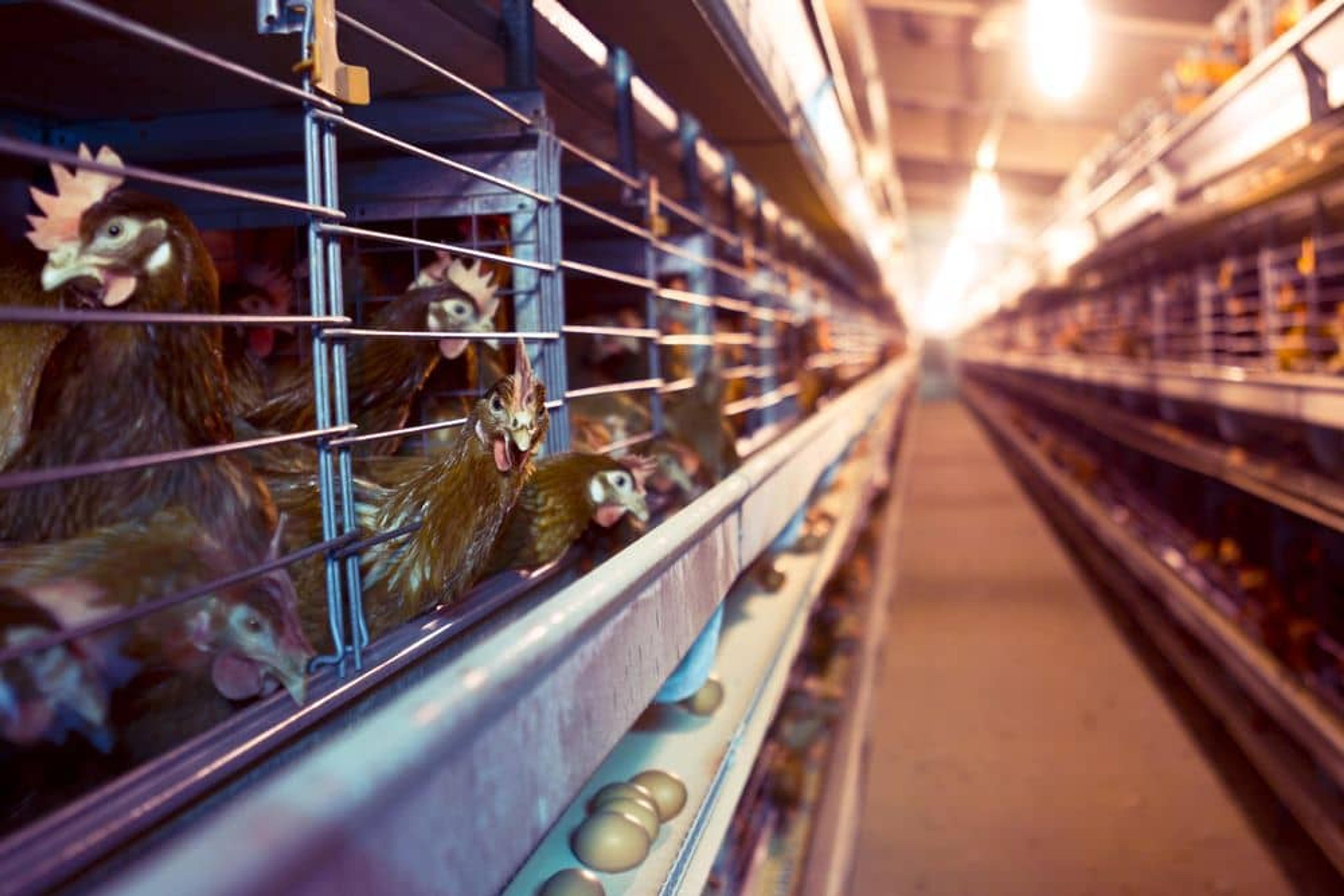
While welfare doesn’t affect egg colour, it can influence shell quality and the overall health of the hen.
Laying eggs places considerable demands on a hen’s body. To produce strong shells consistently, they need:
- A balanced diet, including calcium for strong shells
- Constant access to clean water
- Enough space and rest
- Good health and management
Stress, illness or poor nutrition can contribute to weaker or thinner shells.
In contrast, good stockmanship, enrichment and careful management can help support both welfare and egg quality.
So, while eggs may come in a range of interesting colours, the shell itself tells us surprisingly little about what’s inside.
Factors such as nutrition, freshness and, importantly, the welfare of the hen have a much greater influence on egg quality than shell colour ever could.
If you choose to buy eggs, looking for the RSPCA Assured label is one way to support farms working to the RSPCA’s higher welfare standards.
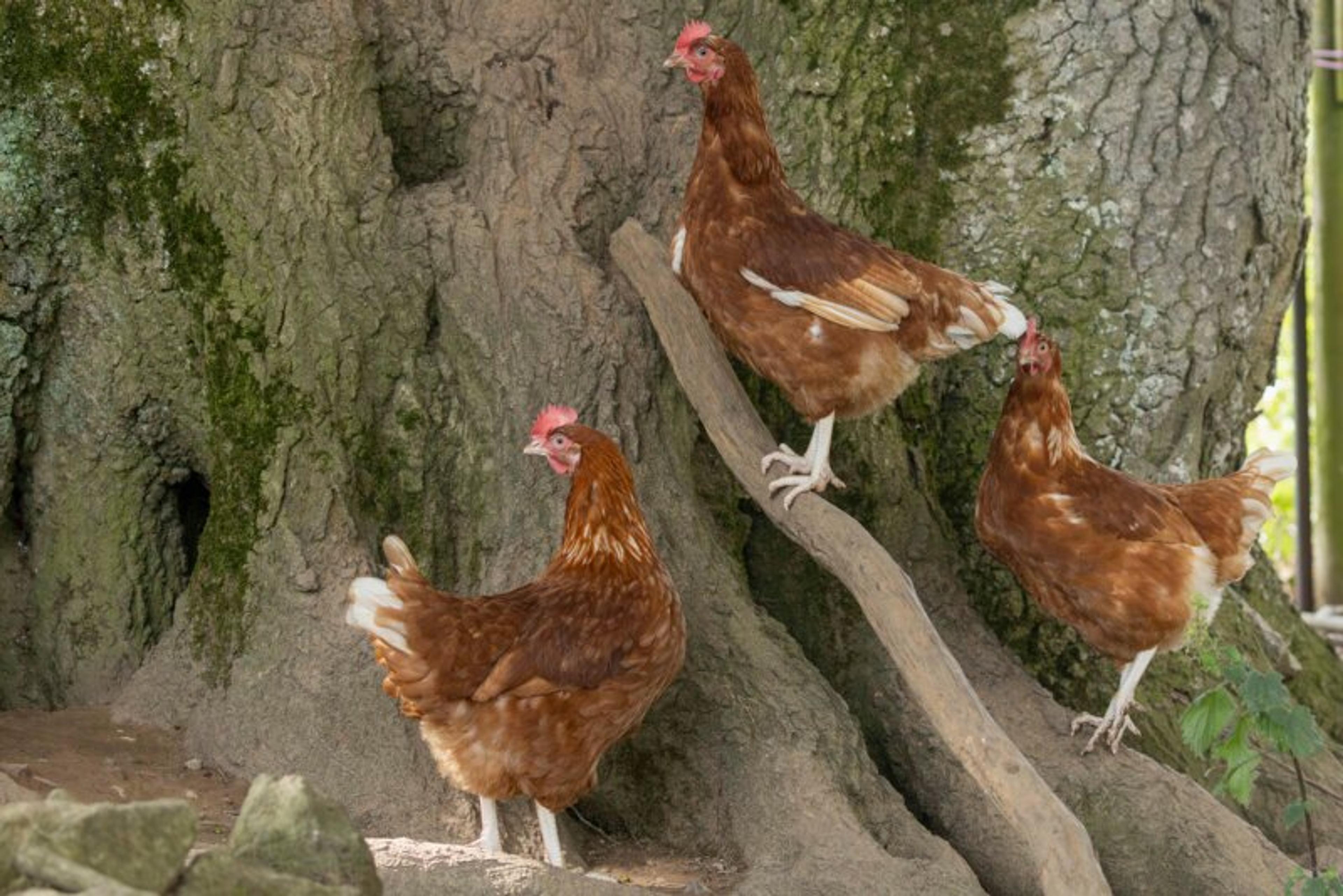
Under these standards, hens must be kept in cage-free systems and provided with opportunities to perform natural behaviours such as perching, nesting, foraging and dustbathing.
So next time you crack open an egg, remember: the colour of the shell might be interesting, but how the hen was cared for is what really matters.
Wednesday 24 June 2026