How I make higher welfare food choices on holiday
By Kate Parkes, RSPCA farmed animal welfare scientist

Summer is one of my favourite times of year. Whether it's a weekend by the coast, a holiday abroad or simply meeting friends for a meal in the sunshine, I love discovering new places and trying different food.
But holidays can also make it harder to make informed choices about farmed animal welfare.
At home, I know exactly what I'm looking for: if I choose to buy eggs, meat, fish or dairy, I look for the RSPCA Assured label because I know it tells me the animals were reared on farms that have been assessed to the RSPCA's higher welfare standards.
When I'm away from home, though, it isn't always that easy.
Over the years, I've found myself coming back to three simple approaches that help me stay true to my values, even when my usual shopping habits change.
1. I look for welfare labels I recognise
If I'm travelling abroad, I always keep an eye out for welfare assurance labels. While the RSPCA Assured label is only found on products in the UK, a few other countries also have welfare assurance schemes.
Some examples include the Beter Leven label in the Netherlands and RSPCA Certified in Australia. These schemes are different from RSPCA Assured and might not meet the same welfare standards, but they can provide useful information about how animals have been reared and help me make a more informed choice.
2. I ask questions
If I'm eating out or shopping somewhere unfamiliar, I'm not afraid to ask questions.
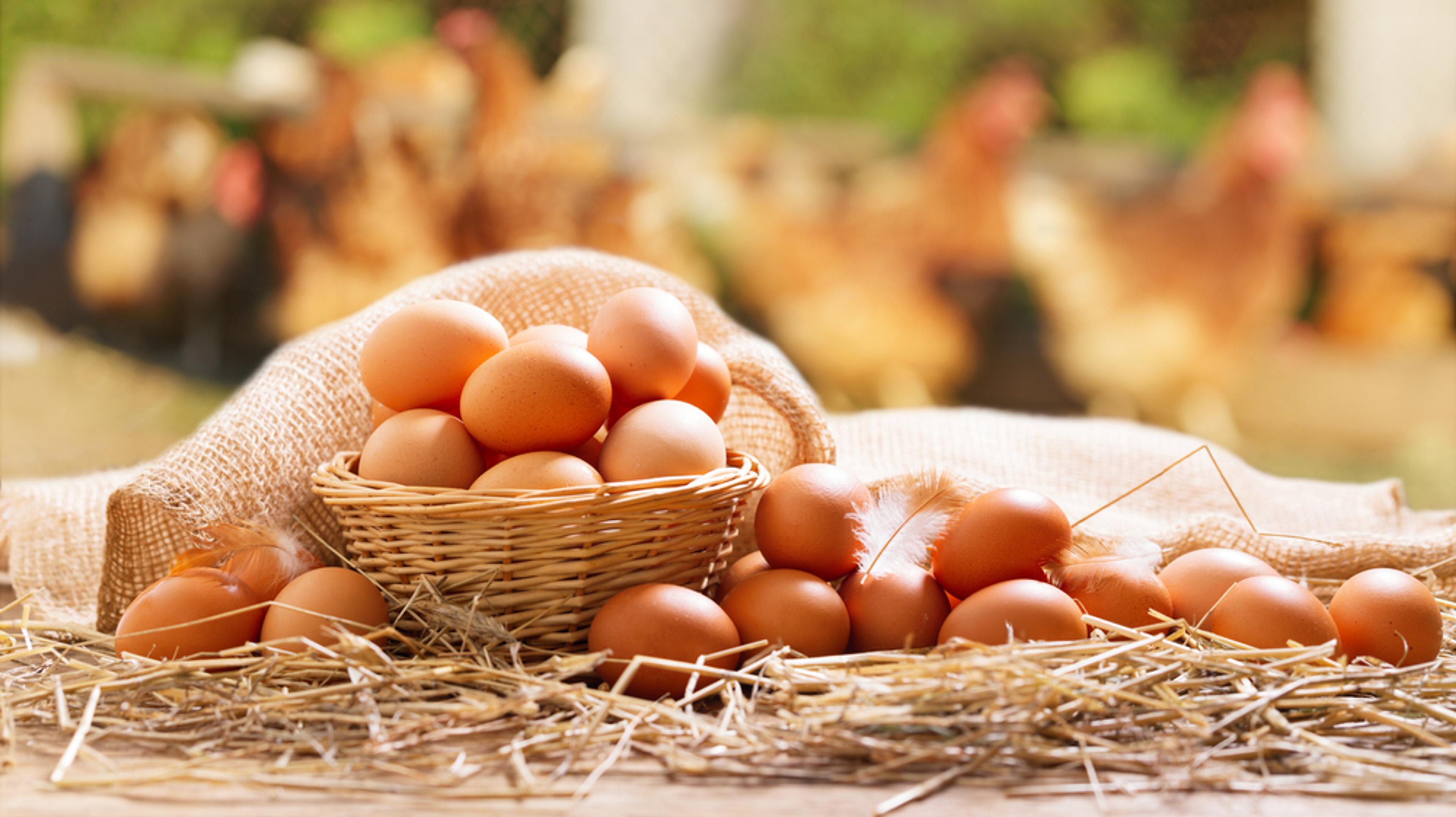
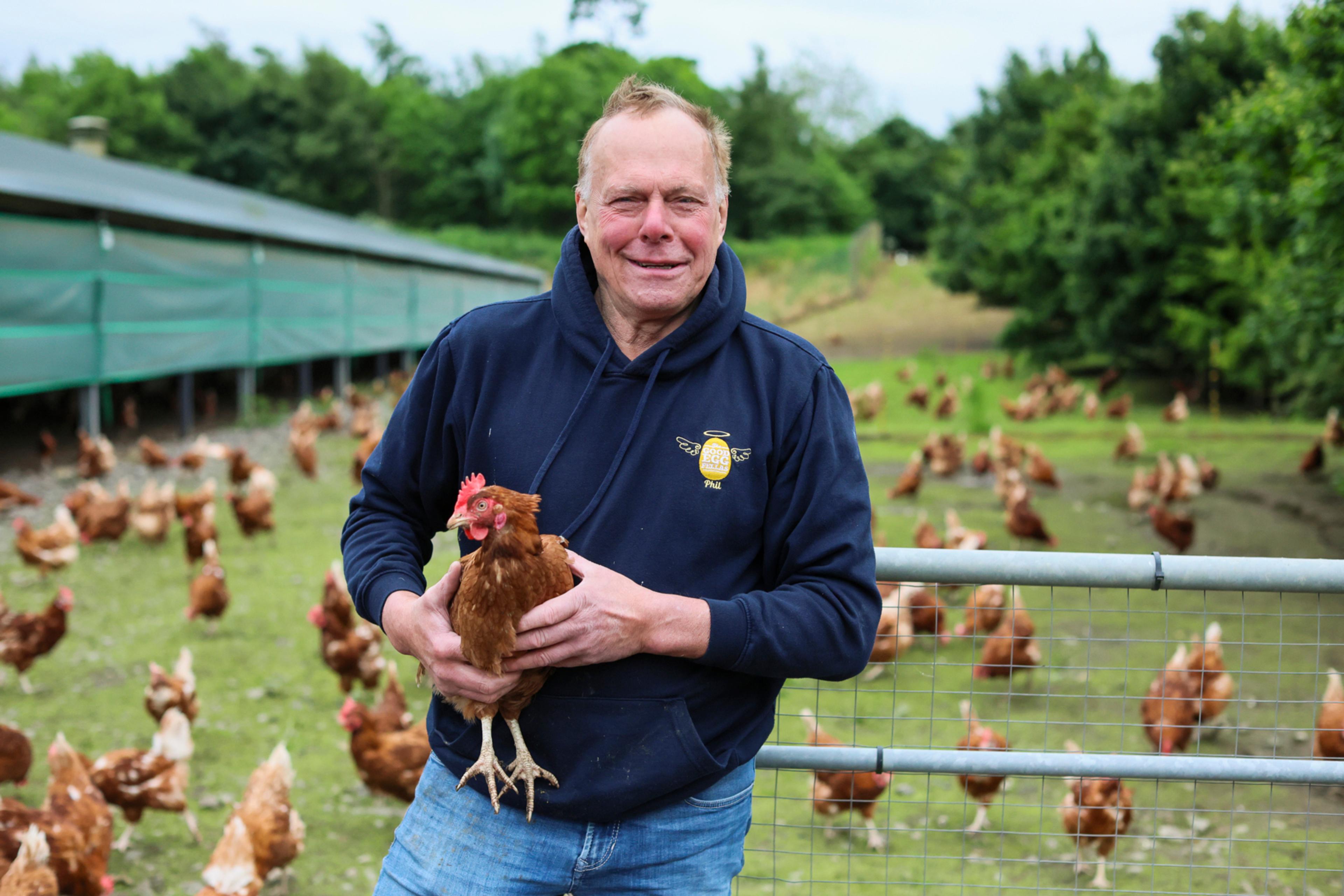
I'll ask where the eggs have come from, whether the chicken is higher welfare, such as free-range, or if the restaurant or supermarket can tell me anything about the welfare standards behind the meat, fish or dairy they're selling.
Sometimes the answer is yes.
Sometimes it's no.
And sometimes they simply don't know.
Even if they can't answer, I think those conversations are worthwhile. They let businesses know that animal welfare matters to their customers, and the more people ask, the more visible that demand becomes.
3. I sometimes choose a vegetarian or vegan meal
If I can't find a higher welfare option or enough information to make an informed choice, I'll usually choose a vegetarian or vegan meal instead.
It's not because I've suddenly decided to stop eating animal products, and it's certainly not about telling anyone else what they should eat.
It's simply one way I choose to stay true to my values when I don't have enough information.
In fact, some of my favourite holiday meals have been vegetarian or vegan dishes that I might never have tried otherwise.
It's about making informed choices, not perfect ones
One thing I've learnt over the years is not to put too much pressure on myself.
Holidays should be enjoyable, and it's impossible to have all the information all of the time. I don't expect every meal to be perfect. Instead, I focus on making the best decision I can with the information I have.
Everyone's approach will be different. Some people always choose vegetarian or vegan food. Others look for higher welfare products wherever they can. Many people do a bit of both depending on the situation.
For me, making informed choices is what matters most.
My top tips for making higher welfare choices on holiday
- Research welfare assurance labels in the country you’re visiting before you travel
- Ask restaurants and retailers where their eggs, meat, fish and dairy come from
- Don't be afraid to ask about animal welfare standards. Your questions show businesses that customers care about higher welfare
- If you can't find enough information to make an informed choice, consider choosing a vegetarian or vegan meal
- When you're back home, look for the RSPCA Assured label if you choose to buy animal products.
Want to know more?
At RSPCA Assured, we're committed to making it easier for people who choose to eat eggs, meat, fish or dairy to identify products from farms that have been independently assessed to the RSPCA's higher welfare standards.
Whether you're planning a summer barbecue, stocking up for a picnic or simply doing your weekly shop, look for the RSPCA Assured label.
Because making informed choices doesn't have to stop when the summer holidays begin.
Find out where you can buy RSPCA Assured-labelled products – and ask your supermarket to stock more!
Tuesday 21 July 2026