What is foie gras and why is it so cruel?
By Chloe Pate, RSPCA scientific and policy officer for poultry
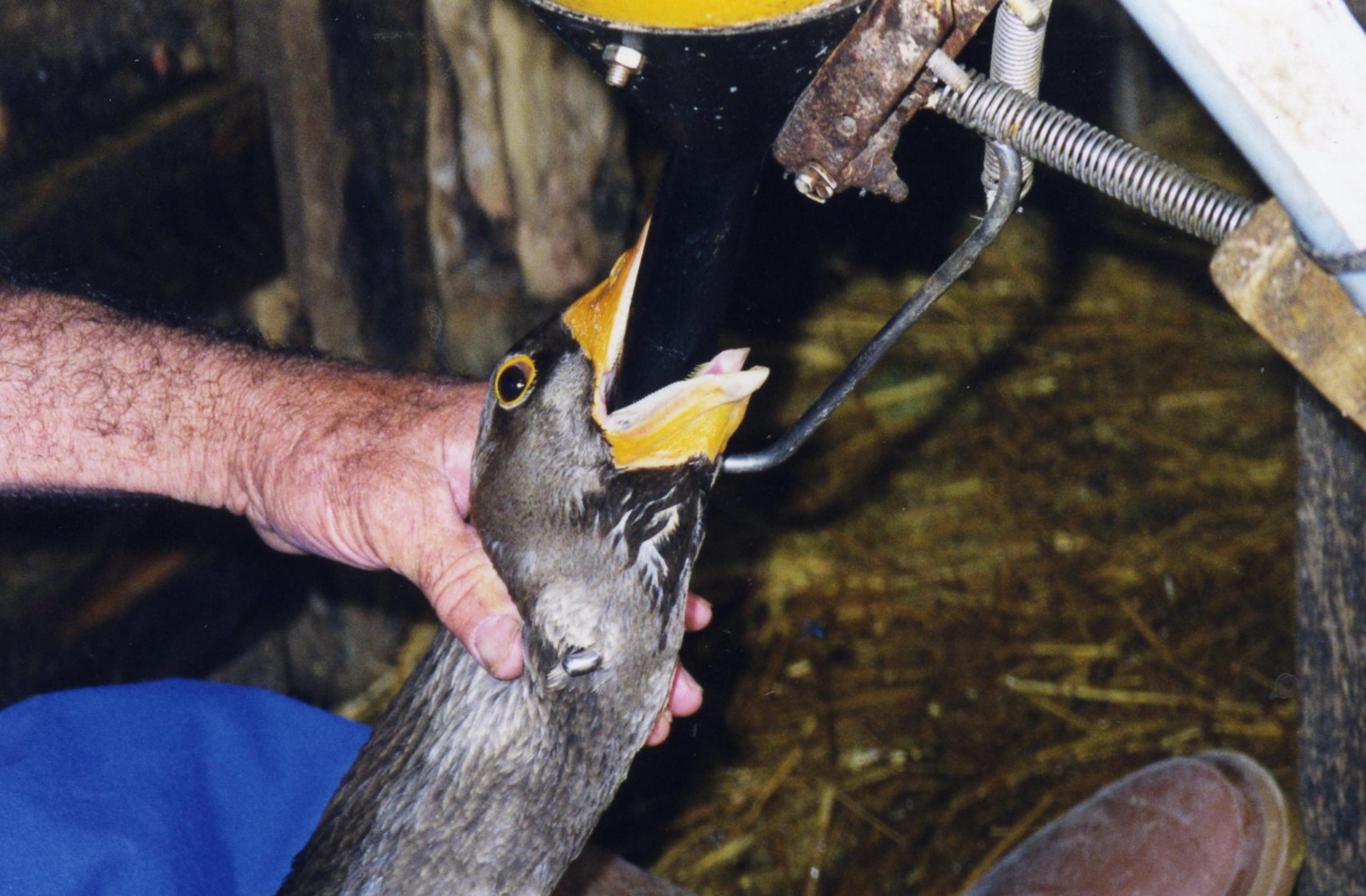
I still remember the first time I saw footage of ducks being force-fed to make foie gras. It stopped me in my tracks.
Foie gras is often described as a ‘luxury food’, but behind the glossy menus and packaging lies a reality of pain and suffering for ducks and geese.
That’s why I want to share why this so-called delicacy is so cruel – and how, together, we can put an end to it.
How is foie gras made?
Foie gras means ‘fatty liver’ in French. It’s a pâté made by feeding ducks and geese until their livers swell up to ten times their natural size, with a fat content of more than 50%.
This is done through force-feeding, known as ‘gavage’. Birds are restrained and tubes pushed down their throats through which they’re fed a high-starch diet made of corn mash or boiled maize – sometimes several times a day.
This process typically lasts from 12 to 21 days, after which the birds are slaughtered.
In addition, many ducks and geese are confined to cramped cages or pens, unable even to stretch their wings. It’s heartbreaking to think of them living like this.
The idea that an animal is treated this way for a luxury food product is, to me, completely unacceptable.
Is foie gras illegal in the UK?
Producing foie gras has been illegal in the UK since 2007 – and it’s absolutely not permitted under the RSPCA’s higher welfare standards.
Other countries that have also banned the production of foie gras include Germany, Italy, Poland, the Czech Republic, Denmark and Finland.
India became the first country to implement a nationwide ban on the import of foie gras, effectively making it illegal to sell it there.
But there’s the problem: it’s still legal to import foie gras to the UK from countries such as France, Hungary, Bulgaria, Spain and Belgium.
This means foie gras continues to appear in UK restaurants, food shops and even online – despite the fact it can’t be produced here.
There have been calls to ban imports, but no law has been introduced yet.
Until then, the power is in our hands. Every time we refuse foie gras, we send a clear signal that this cruelty is not acceptable.
Why foie gras is cruel
Ducks and geese are sensitive, intelligent animals. They naturally love to forage, swim, explore and stretch their wings. But foie gras production denies them all of this.
- Force feeding causes their livers to grow so large they stop working properly. This makes birds weak, distressed and very ill
- Confinement in tiny cages or pens prevents them from turning around, standing tall or behaving naturally
- Poor living conditions like hard, slatted flooring can cause painful foot injuries, while near constant darkness adds to the birds’ suffering.
For me, it comes down to this: foie gras reduces animals to nothing more than the size of their livers, ignoring everything else about their lives and needs.
That’s why animal welfare organisations around the world continue to call for bans on force-feeding and tighter restrictions to protect ducks and geese.
Can foie gras be ethical?
Some producers in California claim to make ‘ethical foie gras’ by allowing birds to feed naturally rather than force-feeding them.
On the surface, this might sound like progress. But as a welfare scientist, I know we need to ask tougher questions:
- Do the birds have access to open water to swim and preen?
- Are they able to roam freely and express natural behaviours?
- Are they kept in environments that meet their physical and emotional needs?
- And as traditional duck foie gras only uses male birds, what happens to the females? If they’re culled at birth, is this done humanely (in a way that doesn’t cause them pain and distress)?
Without clear answers to these questions, foie gras still falls short of acceptable animal welfare standards.
What you can do to help
Here’s how each of us can play a part in ending this cruelty:
- Say no to foie gras. Avoid buying or eating it. There are plenty of tasty alternatives, such as mushroom pâté
- Speak up. If you see it on sale in a shop or on a restaurant menu, let them know how you feel. A polite message can spark change.
- Spread the word. Talk to friends and family about why foie gras is cruel. Awareness is one of the most powerful tools we have.
A kinder future for ducks and geese
Foie gras is sold as a delicacy, but behind it lies a farming system built on cruelty. By rejecting it, we show that compassion and animal welfare matter far more than outdated traditions.
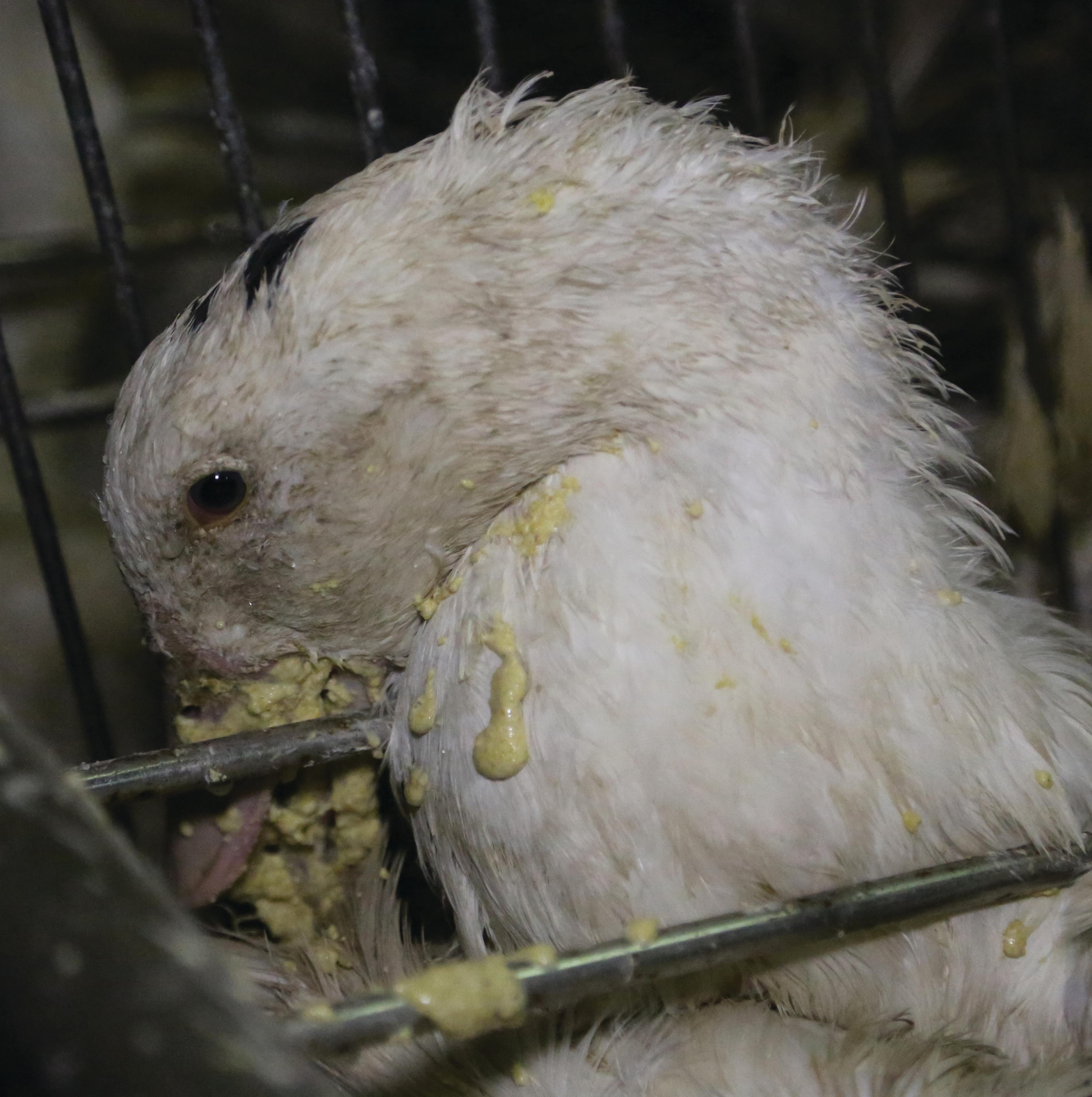
“Every choice we make helps. By saying no, speaking up and sharing the truth, we can reduce demand and protect ducks and geese from suffering.”
Together, we really can make foie gras history.
Friday 22 May 2026