Large-scale farming and animal welfare: looking beyond farm size
By Marc Cooper, RSPCA head of farm animals
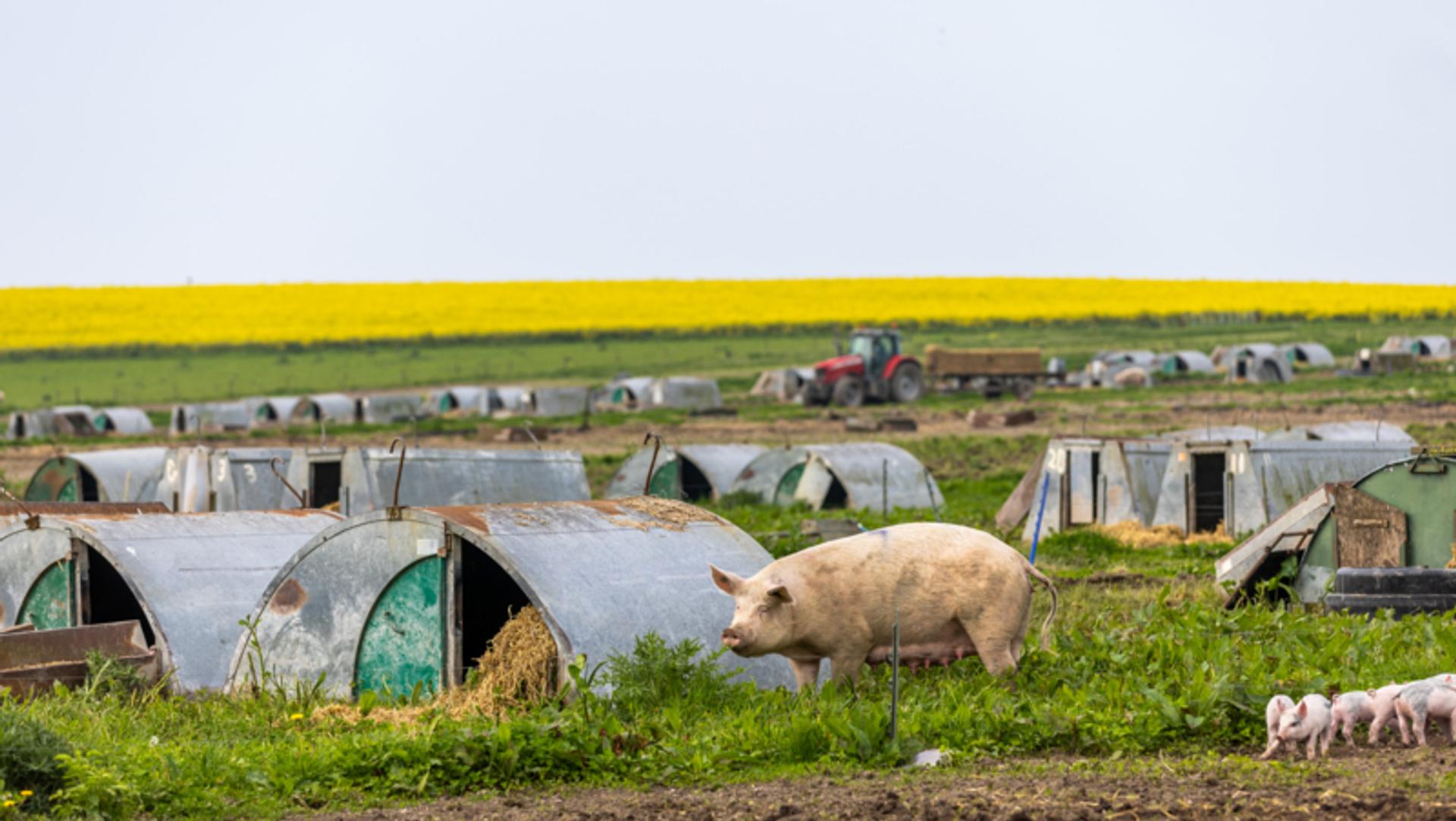
From small family farms to much larger operations, farming in the UK takes many different forms.
When people hear about large-scale farming, it can understandably raise questions about animal welfare.
In my role as head of farm animals at the RSPCA, I have spent a lot of time visiting farms and speaking with farmers, scientists and members of the public about how farmed animals are raised.
One question I’m often asked by people outside farming is whether animals can still have good welfare on larger farms.
When we think about animal welfare, the most important question isn’t how big a farm is – it’s how the animals are actually cared for.
So let’s take a closer look at how farm size and animal welfare actually relate to each other.
Does farm size determine animal welfare?
Very large farms are sometimes described in the media as ‘mega farms’, which can understandably raise concerns about how animals are treated.
It’s easy to assume that larger farms mean poorer welfare, while smaller farms automatically mean animals are better cared for.
In reality, it’s not that simple.
From my experience working on and visiting farms, what makes the biggest difference is:
- The environment the animals live in
- The care, skill and stockmanship of the farmer
- The management practices employed
- The genetic make-up of the animals.
Welfare standards can be poor on small farms, and animals can be extremely well cared for on larger farms.
So rather than focusing purely on farm size, we focus on something much more important: the day-to-day experience of the animals themselves.
When I visit farms, I look for simple things that can tell you a lot about welfare – animals that are comfortable and calm, environments that allow the expression of natural behaviour and opportunities to perform positive behaviours, and farmers who clearly know their animals well and take pride in their care.
Why the RSPCA works with farms of different sizes, including larger farms
At the RSPCA, our responsibility is simple: to improve the lives of as many farmed animals as possible. That means working with farms of different sizes across the UK and supporting farmers who are committed to meeting higher welfare standards.
The RSPCA’s welfare standards are informed using scientific evidence and animal welfare expertise, and they go beyond standard industry requirements.
They cover every aspect of animals’ lives - from birth or hatching through to slaughter, and they provide some key requirements, such as:
- Hens living free of cages
- Meat chickens having enrichment, such as straw bales to peck at and perches
- Pigs being provided with comfortable bedding
- Salmon and trout swimming in carefully managed, good-quality water.
Every farm signed up to the RSPCA Assured scheme must meet these detailed welfare standards, which are designed to give animals a better quality of life.
Whether a farm is large or small, the same welfare standards apply, and every farm must demonstrate that those standards are being met.
RSPCA Assured’s role is to ensure those standards are applied in practice through independent farm assessments.
More than 64 million animals are farmed to these higher welfare standards through RSPCA Assured each year, making meaningful improvements to their lives.
Large-scale farming and welfare standards
Large-scale farming can present both opportunities and challenges for animal welfare.
It’s right that people ask questions about whether animals can still receive good care when farms become larger.
But what often matters most is whether farms have the right systems, facilities, standards and stockmanship in place to meet animals’ needs.
For example, some larger farms have modern, purpose-built housing designed specifically for animal welfare, alongside skilled stockpeople and strong management systems.
At the same time, caring for larger numbers of animals means farmers must have robust systems in place to safeguard welfare.
If something goes wrong – such as a disease outbreak or problem with equipment – more animals can be affected.
That’s why strong contingency planning, preventative health measures and effective management systems are particularly important.
These are all areas that the RSPCA’s standards – and RSPCA Assured assessments – look at very closely.
Large-scale farming and intensive farming: what’s the difference?
It’s also important to distinguish between large-scale farming and ‘intensive’ (lower welfare) farming, which are often confused but aren’t the same thing.
The RSPCA strongly opposes lower welfare farming practices that compromise animal welfare, such as:
- Close confinement systems like cages or crates
- Very limited space for animals
- Barren environments that do not encourage the performance of natural and positive behaviours
- Breeding animals primarily for productivity at the expense of their health.
These kinds of systems are not covered by the standards or permitted at RSPCA Assured members’ farms.
Improving welfare across the farming industry
Our long-term goal is to see all farmed animals have a good life and humane death.
That includes farming systems where animals can:
- Move freely, unhindered
- Rest comfortably and undisturbed
- Express a full range of natural behaviours
- Have opportunities to express positive behaviours
- Live healthy lives.
Schemes like RSPCA Assured play an important role in helping drive progress by encouraging farms to adopt higher welfare systems and continually improve how animals are cared for.
There’s always more work to do, but raising standards step by step can make a meaningful difference to the lives of millions of animals.
The RSPCA also works with farmers, scientists, retailers, governments and industry groups to drive improvements in farm animal welfare across the UK and internationally.
Why open conversations matter
Conversations about farming systems and animal welfare are important – and it’s right that people ask questions about how farmed animals are treated.
Improving animal welfare is something that requires cooperation across the farming community, and the RSPCA works to bring farmers, scientists, retailers and animal welfare experts together around shared standards.
We believe transparency and evidence are essential when it comes to improving animal welfare.
That’s why the RSPCA’s standards are informed by scientific research and why farms on the scheme are independently assessed to ensure those standards are met.
Improving farmed animal welfare across an entire industry takes time, but I’ve seen firsthand that meaningful progress is possible.
By working with farmers who are committed to higher standards, we can continue raising the bar for animal welfare and improving the lives of millions of animals to achieve our aspiration of a good life.
For me, that’s exactly what the RSPCA and RSPCA Assured are all about.
Wednesday 18 March 2026