A pig’s life on an RSPCA Assured member’s farm
By Phoebe Hartnett, RSPCA senior scientific and policy officer
When we see a pack of ham or sausages on a supermarket shelf, it’s easy to forget the journey behind it.
But every product comes from a farming system – and the way animals are cared for can vary.
As the RSPCA’s pig welfare expert, I help develop the RSPCA’s higher welfare standards for pigs – the standards that RSPCA Assured members must meet.
I spend a lot of time understanding how pigs are cared for and what higher welfare means for them.
If you’ve ever looked for the RSPCA Assured label and wondered what it stands for, this is the story of what it means for pigs and how higher welfare pork is produced.
How pigs are born: a better start in life
A pig’s life begins on a breeding unit, where sows (female pigs) are carefully looked after during pregnancy.
When it’s time to give birth (known as farrowing), the difference between higher welfare and standard systems becomes clear.
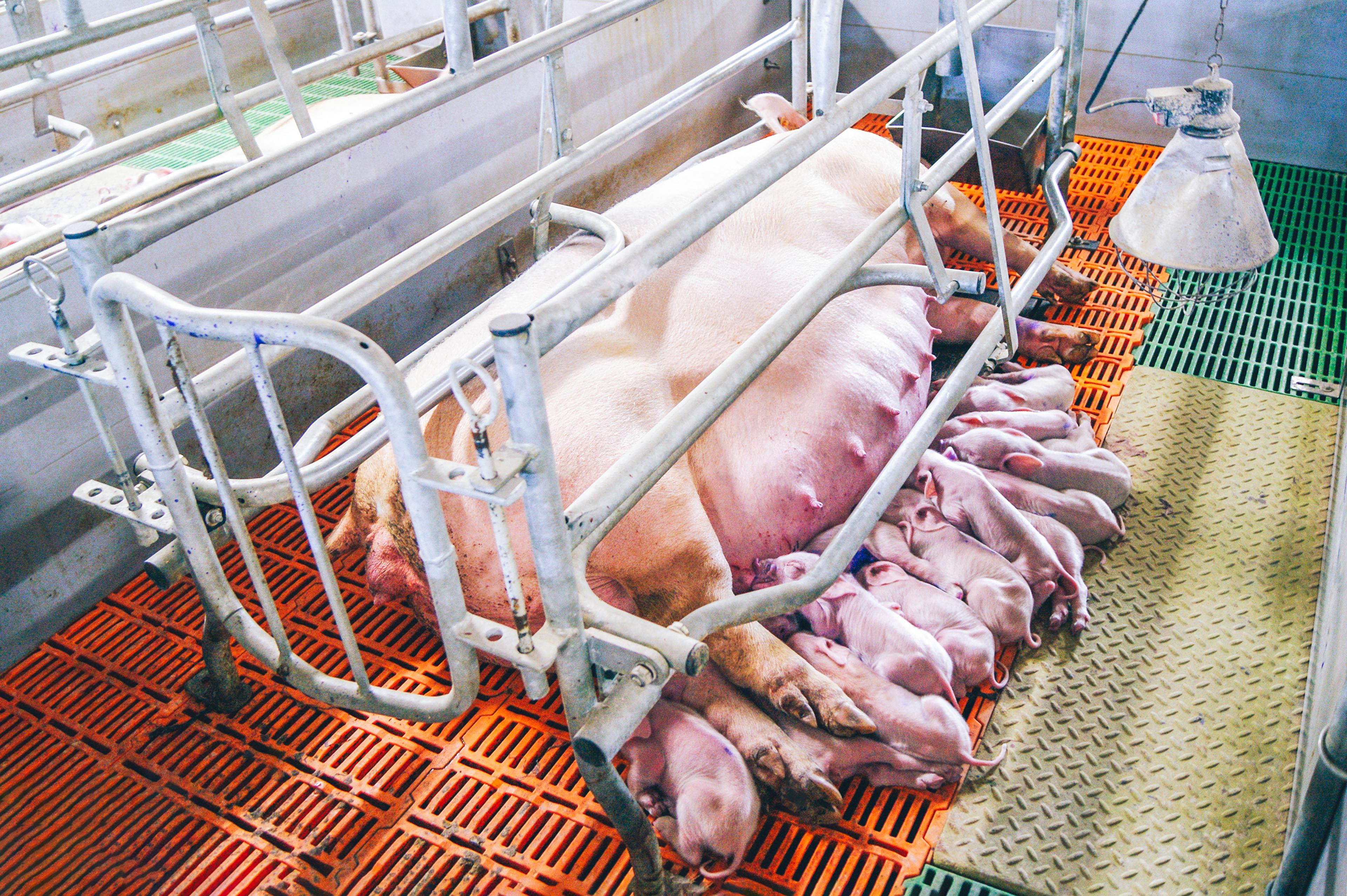
On RSPCA Assured members’ farms, sows are never kept in farrowing crates, which restrict movement and prevent natural behaviours like nesting, walking and caring for their piglets freely.
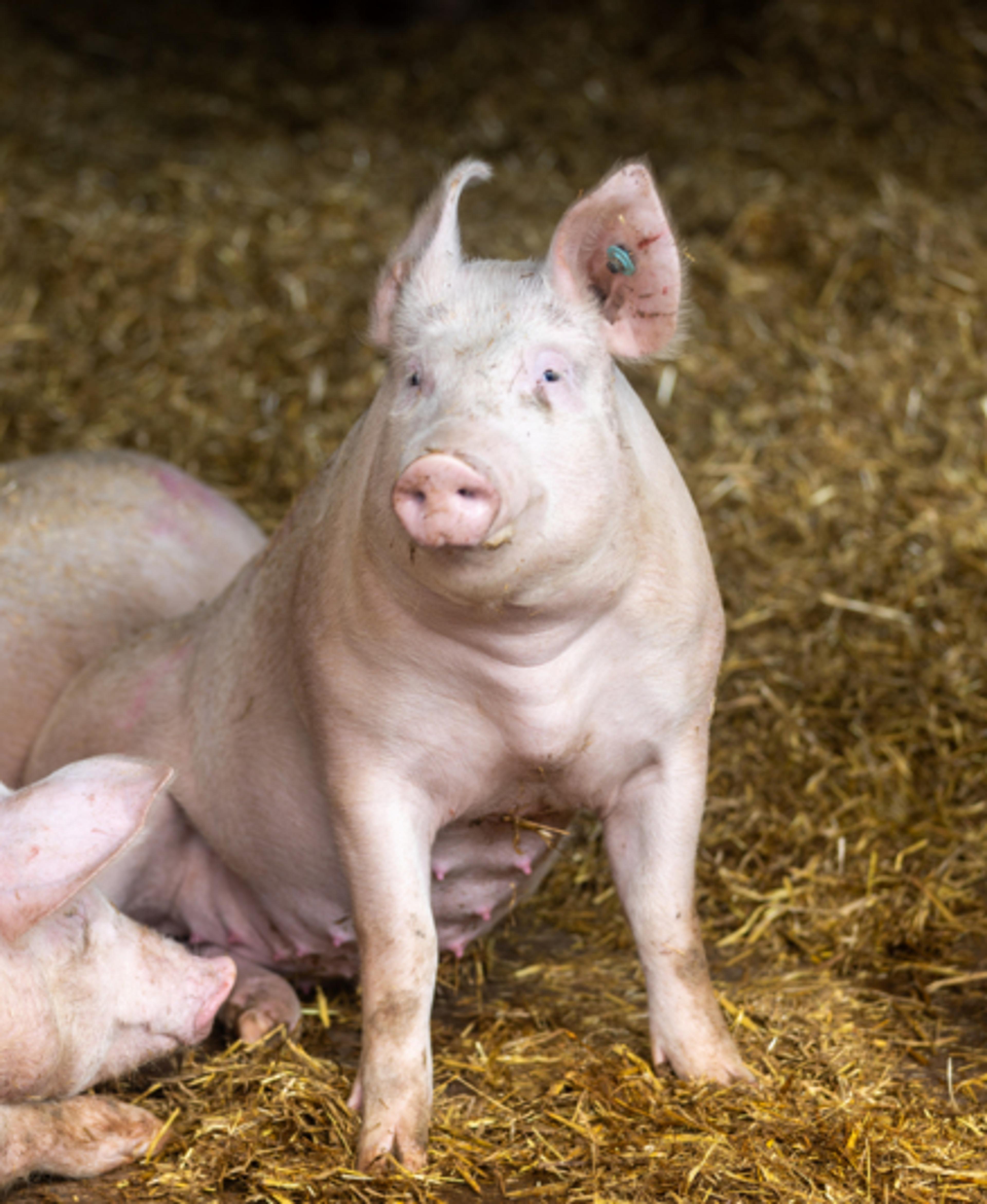
Instead, they’re given space and bedding so they can move around and build a nest for their piglets – something pigs are strongly motivated to do.
Outdoors, this is usually in a straw-bedded farrowing arc. Indoors, it’s a loose pen with plenty of bedding.
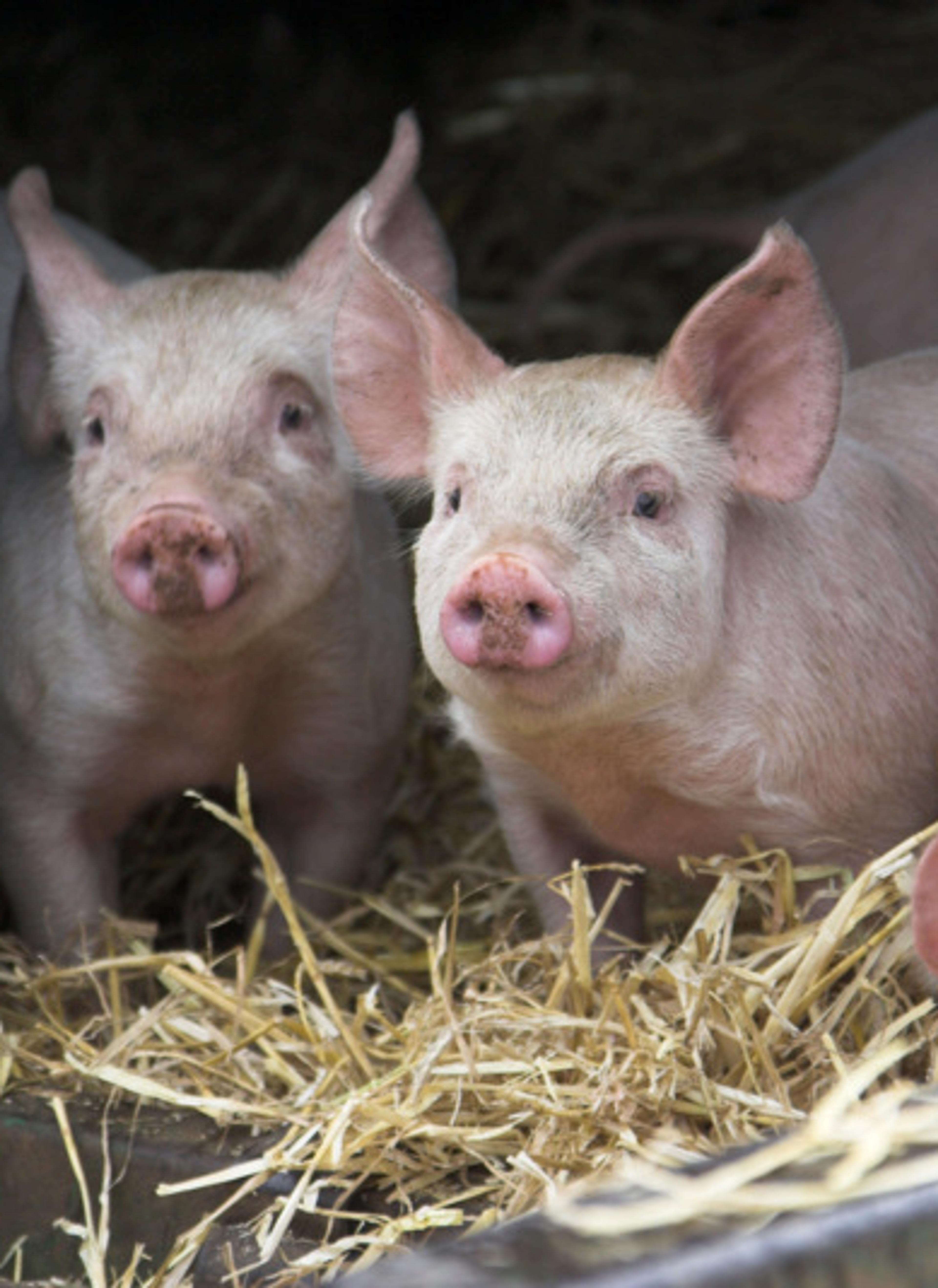
Piglets are born into a calm, comfortable environment and stay with their mother for around four to five weeks before being weaned.
How pigs are reared: space, enrichment and social behaviour
After weaning, piglets move into rearing or growing units, where they develop over the next 10 to 12 weeks.
Pigs are intelligent, curious animals. They need more than just food and shelter – they need stimulation.
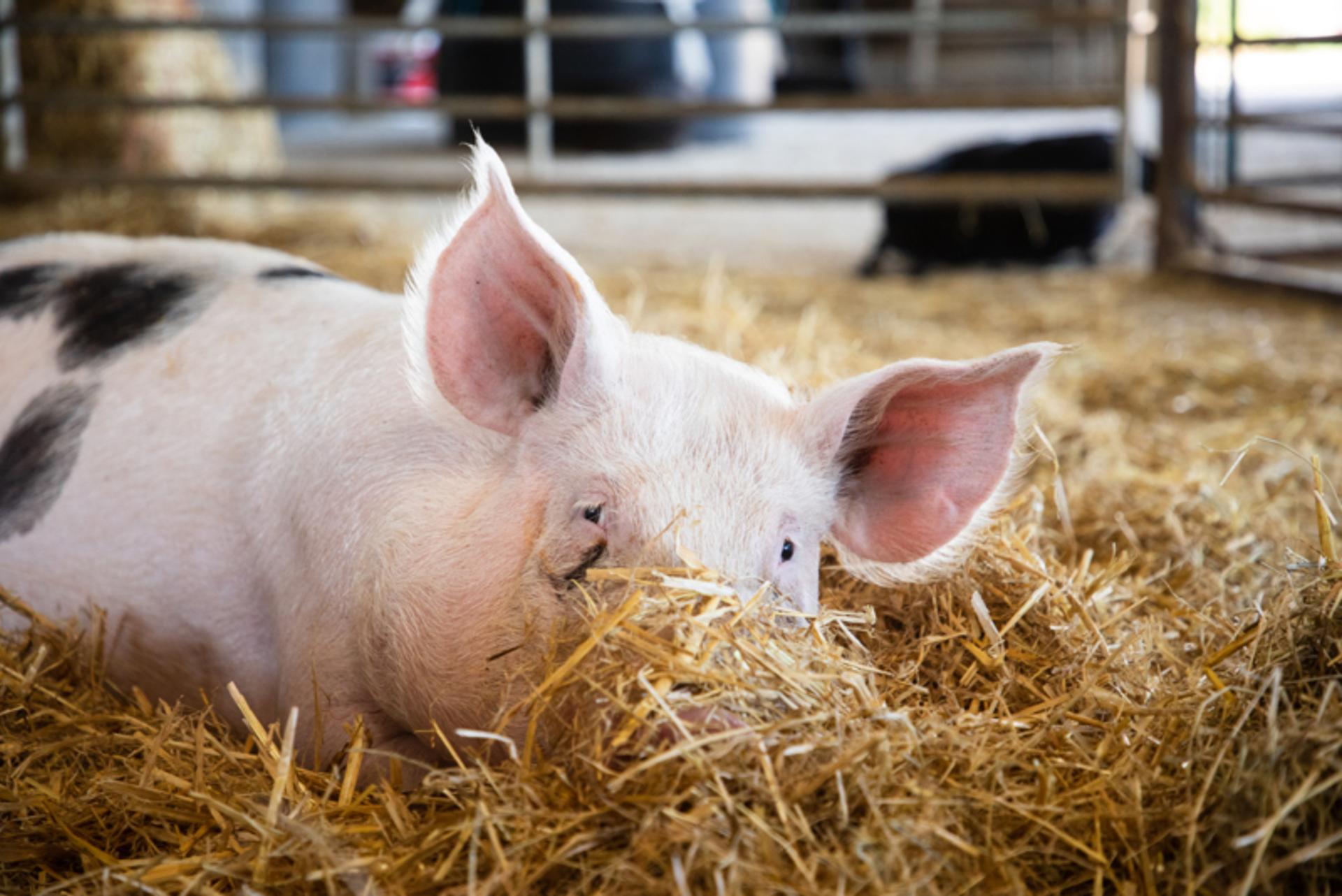
That’s why the RSPCA’s welfare standards require enrichment materials, such as straw.
Straw allows pigs to:
- Root and forage
- Stay mentally stimulated
- Create comfortable resting areas.
Pigs also form social groups. Once these are established, keeping them stable helps reduce stress and aggression. As they grow, males and females may be separated to avoid injury.
And despite common misconceptions, pigs are naturally clean animals. With enough space, they separate their sleeping and toilet areas.
Indoor and outdoor systems: what matters most
People often ask whether pigs are better off indoors or outdoors.
The reality is that both systems can support good welfare when managed well.
Pigs on RSPCA Assured members’ farms may be:
- Outdoor bred
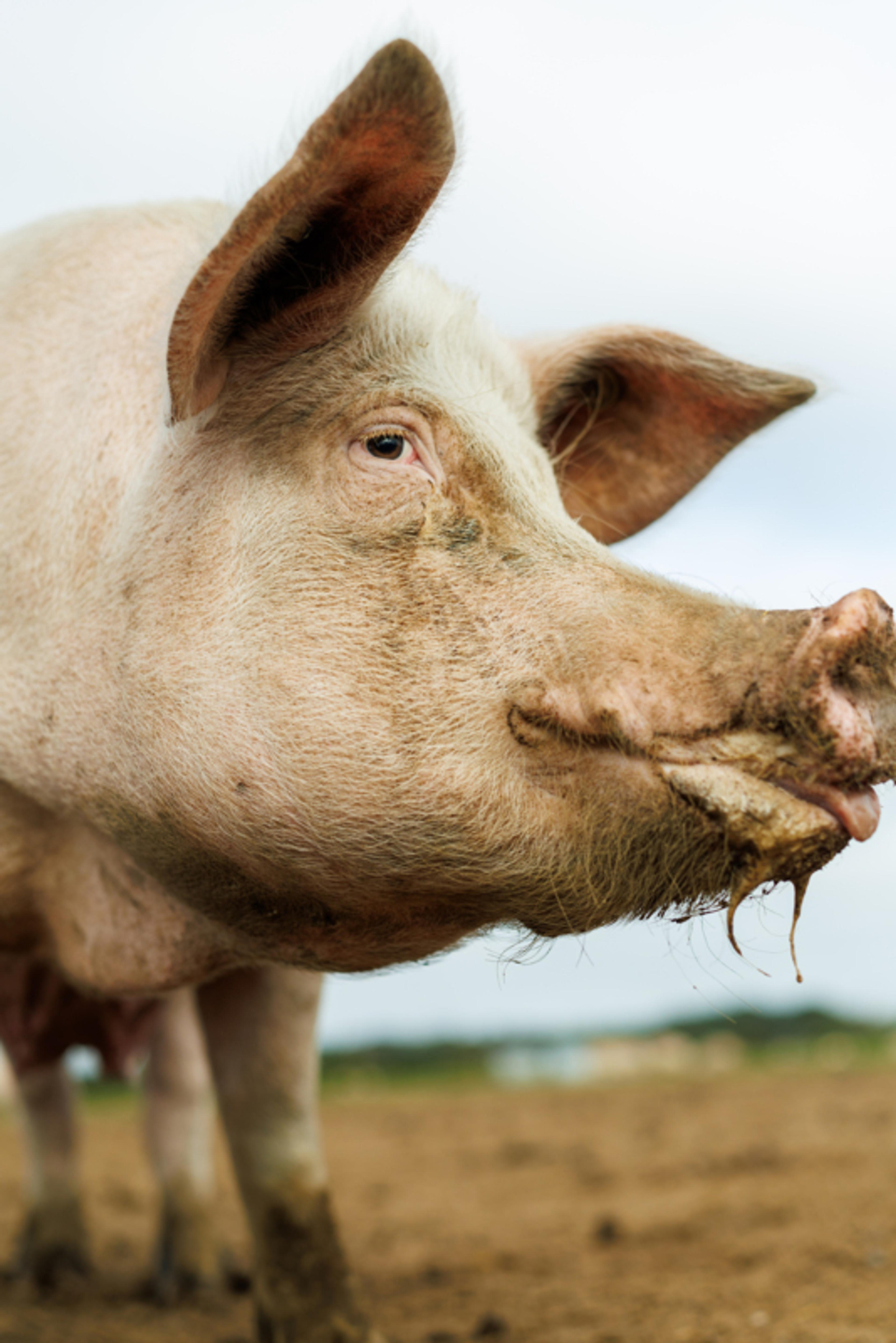
- Outdoor reared
- Free-range and/or organic
- Raised in higher welfare indoor systems.
Outdoor systems can offer more space and opportunities to explore, while indoor systems can provide shelter and protection from the weather.
What matters most is how pigs are cared for.
Higher welfare means pigs are:
- Given enough space
- Provided with bedding and enrichment
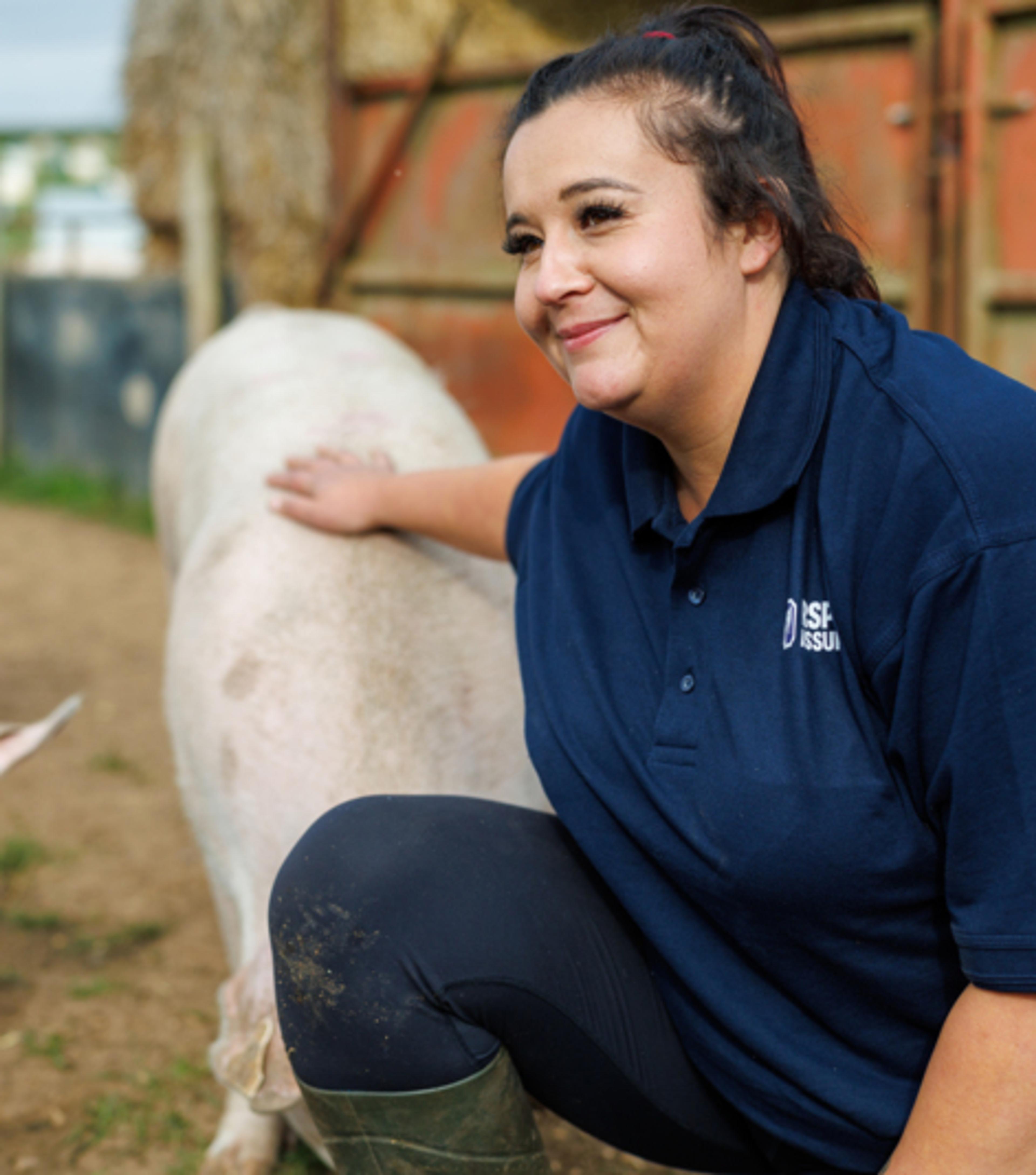
- Cared for by skilled stockpeople
- Able to express their natural behaviours.
What pigs eat and how they’re cared for
Pigs are fed a balanced, cereal-based diet and need constant access to fresh water.
The RSPCA’s welfare standards go further than legal requirements by ensuring more drinkers per group and more space to feed, so all pigs can easily access water and food.
Good welfare also depends on the people caring for the animals.
Calm, attentive stock-keeping helps pigs feel secure and reduces stress.
The final stage: finishing and transport
As pigs grow, they may move to a finishing unit, where they stay until they reach their target weight – typically between 90 and 120kg, at around six months old.
Under the RSPCA’s welfare standards, pigs must be transported by trained, approved hauliers, with careful handling at every stage.
Loading ramps must be shallow to reduce strain, and the use of electric goads is not allowed.
Journeys are planned to minimise stress and avoid extreme weather conditions, with pigs transported over the shortest practical distances.
What the RSPCA Assured label means
The RSPCA Assured label on pork means the farm, transport and slaughter have all been independently assessed to the RSPCA’s higher welfare standards.
The label isn’t based on one moment or one condition. It reflects the animal’s whole experience as the standards are independently assessed throughout the animal’s life.
From birth to transport, the standards are designed to ensure pigs have:
- Space to move and explore
- Comfort through bedding and shelter
- Care from trained, knowledgeable people
- Opportunities to express natural behaviours.
The RSPCA’s welfare standards are based on science, evidence and practical farming experience and are regularly updated to ensure welfare continues to improve.
Choosing higher welfare pork
If you choose to eat pork, looking for the RSPCA Assured label is a simple way to support higher welfare farming.
Because RSPCA Assured higher welfare isn’t just a claim. It’s built into every stage of a pig’s life.
Tuesday 12 May 2026