
Preparing for the updated RSPCA beef cattle standards
By Holly Gower, RSPCA senior scientific and policy officer
We’ve recently shared an update with RSPCA Assured beef cattle members about the next version of the RSPCA’s welfare standards – and I wanted to take the opportunity to explain what’s changing, why, and how we’ll support you through it.
The updated standards will come into effect for RSPCA Assured members from 3 August 2026, following the usual three-month notification period.
Based on the latest scientific evidence and practical farming experience, the changes are designed to support continued, achievable improvements that make a real difference to cattle welfare.
Please note this blog provides a summary of the key updates. RSPCA Assured members should refer to the new standards explanatory note for the complete requirements.
What’s changing – and why it matters
At their core, these updates are about improving welfare at every stage of an animal’s life – from the earliest stages through to finishing and transport.
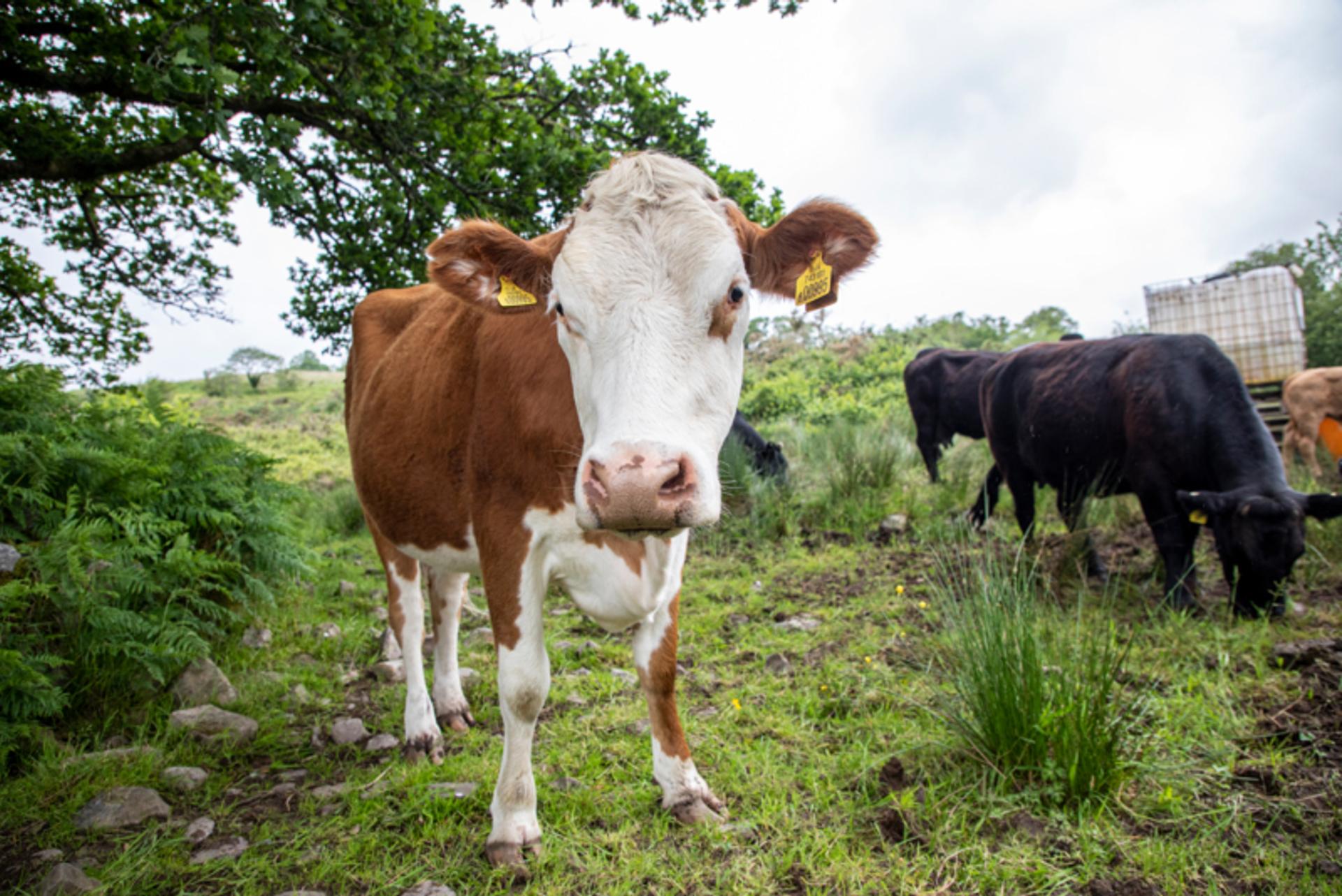
One of the key changes is around pasture access. From five months of age, cattle will need permanent access to pasture during the grass growing season (with practical exceptions, such as weather or veterinary advice).
Access to the outdoors supports natural behaviours, social interaction and overall health.
We’re also introducing updated requirements for calf feeding. Artificially reared calves must now be fed using teat systems rather than buckets, alongside a move away from fixed milk volumes to daily weight gain targets. This helps better reflect individual needs and supports healthy development.
There’s a stronger focus on space, comfort and choice too. For example, cattle must have access to alternative accommodation, such as loose housing, if they choose not to use cubicles.
At slaughterhouses, lying areas must be bedded to improve comfort.
Supporting natural behaviour earlier in life
Several updates focus on giving calves a better start.
From three weeks of age, calves must have access to environmental enrichment, such as brushes. The maximum age at which calves must be grouped has also been reduced to one week, supporting earlier social development.
We’re also strengthening requirements around social contact for bulls, which must now be housed in a way that allows both visual and physical interaction with other cattle.
Health, handling and day-to-day care
There are a number of important updates aimed at improving day-to-day welfare and health outcomes.
These include:
- Enhanced pain relief, including for downer cattle (those unable to stand due to illness or injury), and for procedures such as castration
- Improved drinking water safety, with annual independent testing required
- New feeding space requirements to ensure fair access for all animals
- A requirement for all units to be registered with a veterinary practice providing emergency care.
We’ve also introduced a stronger focus on training and professional development, with a minimum of 30 hours per year.
This reflects the vital role that skilled stockpeople play in delivering good welfare on farm.
Looking ahead
There’s also additional guidance included throughout the standards in the form of information boxes (iboxes).
These provide practical advice and insight into where standards may develop in future – helping RSPCA Assured members plan ahead and stay one step ahead of changes.
We’re here to support you
We know changes like these take planning, so there’s support available to RSPCA Assured members and anyone interested in joining the scheme.
The RSPCA Assured farming and technical engagement team can provide guidance and support as you review the updated standards and consider what they mean for your system.
If you have any questions, or would like to talk through the changes, let us know via email and we’ll be happy to help.
Tuesday 5 May 2026