
Supporting poultry farmers through the challenges of bird flu
By Mark Robertson, RSPCA Assured regional assessment manager
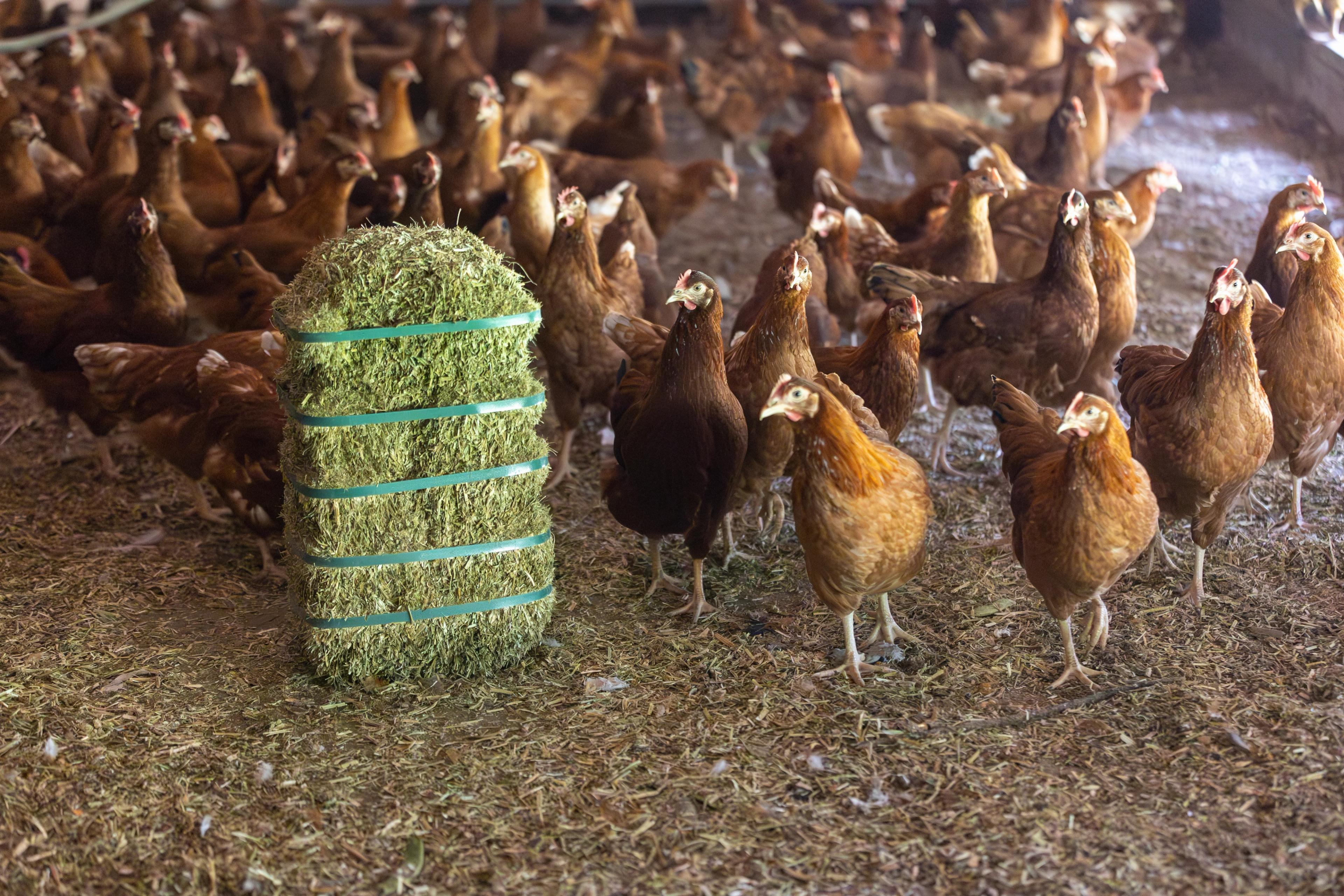
For poultry farmers, the arrival of autumn brings the added worry of avian influenza (AI). It's an incredibly challenging time of year, with the threat of outbreaks, increased biosecurity measures and the possibility of compulsory housing orders.
I know how much pressure this puts on farmers, who are already working hard to protect the health and welfare of their birds.
At RSPCA Assured, we recognise these challenges and want to do everything we can to support our members through the coming months.
That means taking a flexible approach where possible, offering practical advice and working together to maintain high standards of bird welfare.
Reducing risks while maintaining welfare standards
One of the ways we're helping is by continuing to offer flexible assessment arrangements for members affected by bird flu restrictions.
Where appropriate, this includes offering desktop assessments to reduce the need for farm visits during periods of heightened risk, while ensuring the RSPCA's welfare standards continue to be met.
Of course, biosecurity is always a priority, but it's particularly critical during bird flu season.
Our assessors follow strict biosecurity procedures, alongside the specific requirements of each farm they visit. We've also provided additional training and strengthened precautions ahead of this year's high-risk period.
We understand farmers need to feel confident that anyone visiting their site is taking the necessary precautions to protect their birds. It's a responsibility we take extremely seriously.
Protecting bird welfare during housing orders
Housing orders can present additional welfare challenges, particularly for birds that would normally have access to the outdoors.
When birds have to remain inside for extended periods, it's especially important they have opportunities to express natural behaviours, including foraging, pecking and dust bathing.
Simple measures, such as providing additional enrichment, scattering suitable feed or grit in the litter and offering appropriate dust-bathing materials, can make a real difference.
It's equally important that any enrichment materials are stored and handled carefully to avoid introducing disease into poultry houses.
Our farming and technical engagement team is available to offer practical advice on maintaining the RSPCA's welfare standards during housing orders, taking account of the particular circumstances of each farm.
Supporting farmers as well as their birds
I also want to acknowledge the personal impact that bird flu can have on farmers and their families.
The uncertainty, additional workload and worry about the health of your flock can take a real toll. And, for those unfortunate enough to experience an outbreak, the consequences can be devastating.
Please don't feel you have to manage these pressures alone. Organisations such as RABI, the Farming Community Network, You Are Not Alone (YANA) and Farmwell offer valuable, confidential support to people working in agriculture.
At RSPCA Assured, we want to work with our members, not add to the pressures they're already facing.
If you're concerned about meeting the welfare standards during a housing order, unsure about your assessment arrangements or simply need some practical advice, please contact us.
Our farming and technical engagement team is here to help you find a way forward while keeping bird welfare at the heart of every decision.
You can also visit our dedicated avian influenza information pages for further guidance on biosecurity, contingency planning and supporting flock welfare.
I hope the coming months are as trouble-free as possible for everyone. Whatever challenges this bird flu season brings, we'll continue doing our best to support our members and the birds in their care.
Wednesday 21 October 2026