
Could your farm help others prepare for the natural daylight standard?
By Kelly Grellier, RSPCA Assured chief commercial officer
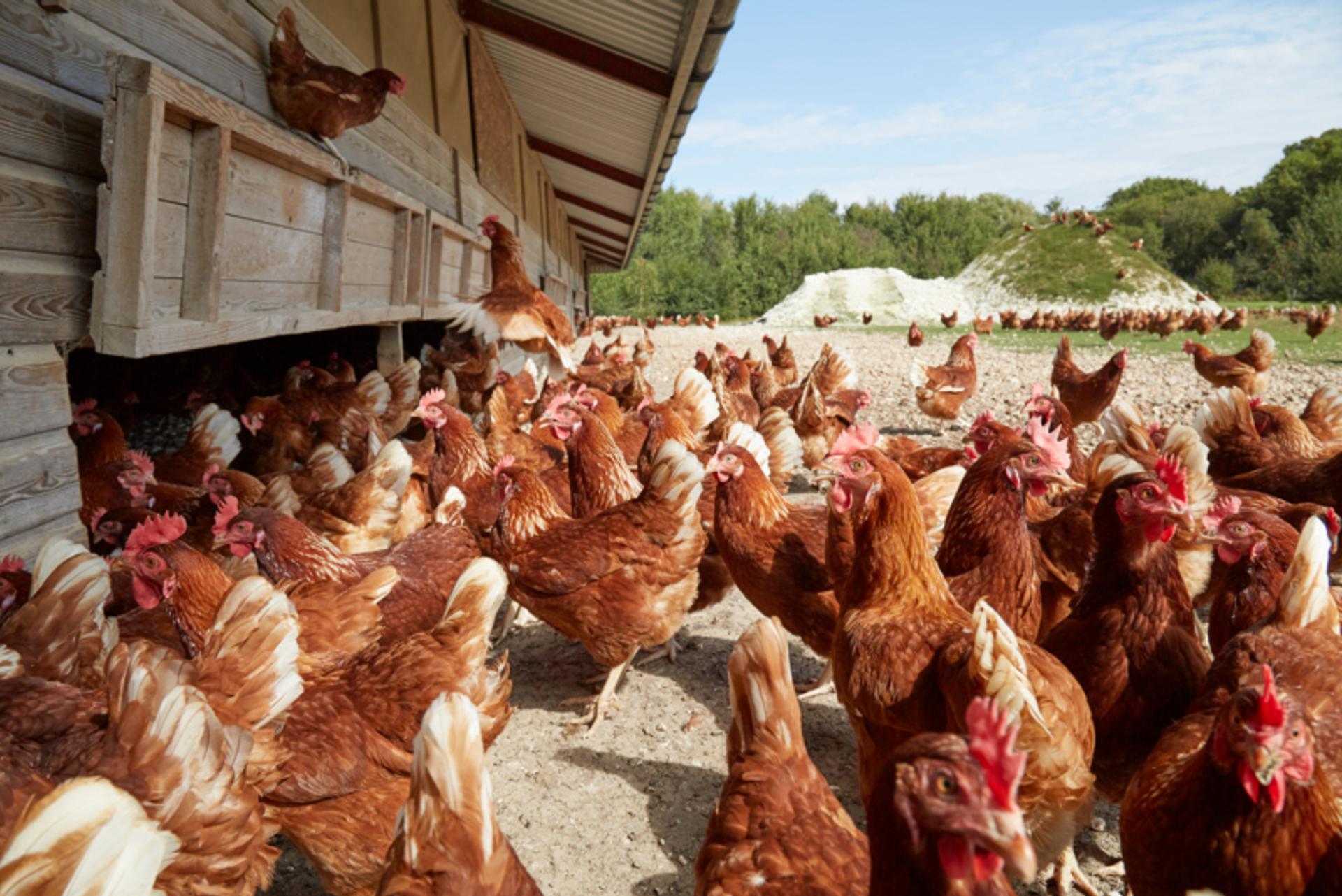
We know that making changes to sheds to meet the new natural daylight standard for laying hens on 1 December isn't straightforward, especially when every farm is different. And we understand that finding the right solution can take time, planning and investment.
That's why we're inviting laying hen producers to take part in case studies to help show how different farms can meet the new standard.
That's why we're inviting laying hen producers to take part in a series of case studies to help show how different farms can meet the new standard.
We'd love to work with RSPCA Assured members who are happy to share their experiences, helping other producers see what's possible and find solutions that could work for them too.
We will also contribute towards the cost of delivering the case studies to support members taking part.
What's involved?
We're looking for producers with different types of sheds to help us explore practical ways of bringing natural daylight indoors through covered popholes when hens can't access the range.
Our farming and technical engagement (FATE) team will be on hand to support you throughout the process, which will involve three stages:
- Making changes to your sheds: we'll help you explore different types of clear pophole coverings, their costs and how they can be installed during turnaround
- Helping hens get used to the light: we'll look at how you introduce natural daylight through covered popholes when hens are around 18 to 20 weeks old, before they start ranging
- Managing housing periods: we'll work with you to see how the coverings are used during housing orders or other times when hens need to stay indoors, sharing what works well and any lessons learned.
We'll use these experiences to create practical examples that other members can learn from.
Groups and independent members taking part in case studies will also be eligible to apply for a temporary exception for any of their other sheds that turn around within this period and are not part of the case study. The exception will be granted from 1 December 2026 to 31 May 2027.
The case study findings will be communicated to members in April, allowing members time to prepare sheds coming up for turnaround in May. The exception period will end on 31 May 2027, and from 1 June, any new flocks placed must fully comply with the standard.
Why is natural daylight important?
Natural daylight is an important part of a hen's environment, helping to support their health and welfare.
Our new standard E6.4 is designed to ensure hens can still benefit from natural daylight when they need to be kept indoors, for example during bird flu housing orders.
From 1 December 2026, the standard will apply to newly placed flocks, requiring natural daylight to be provided through covered popholes when hens are housed during daylight hours - with the exception of those members taking part in case studies who may choose to apply for a temporary exception for any of their sheds that aren’t taking part in the case study.
We know how much our members care about their hens, and we're grateful for your continued commitment to giving them the best possible quality of life.
We're here to help
We appreciate that no two farms are quite the same, and what works well in one shed might not be right for another.
That's why our FATE team is working closely with members to help find practical solutions for different housing systems.
We're prioritising support for producers placing flocks in December 2026 and January 2027, so those who need to make changes soonest can get the help they need.
For some farms, the best opportunity to make modifications will be during turnaround. If that's the case for you, please get in touch before your next turnaround so we can help you plan ahead.
Missing that window could mean waiting until a future turnaround to make the changes, which may affect your ability to maintain RSPCA Assured certification.
Our team is happy to talk through the requirements, answer your questions and help you explore the options available.
You can also find more information in our standard E6.4 questions and answers and our advice on hen behaviour and natural daylight.
We'd love you to get involved
If you think your farm could be part of our case studies, please do get in touch before the 30 November 2026 deadline.
You don't need to have all the answers or a solution already worked out. That's what we're hoping to explore together.
Whether you have one shed or several, your experience could make a real difference to other producers preparing for the standard.
Funding will be allocated on a first-come, first-served basis, so please contact our FATE team if you'd like to find out more.
I'm incredibly proud of what we've achieved together for laying hen welfare over the years.
By continuing to share our knowledge, experiences and ideas, we can build on that progress and help even more hens enjoy better lives.
Thank you, as always, for everything you do for your hens.
Monday 9 November 2026