
Behaviour support - hen behaviour and natural daylight
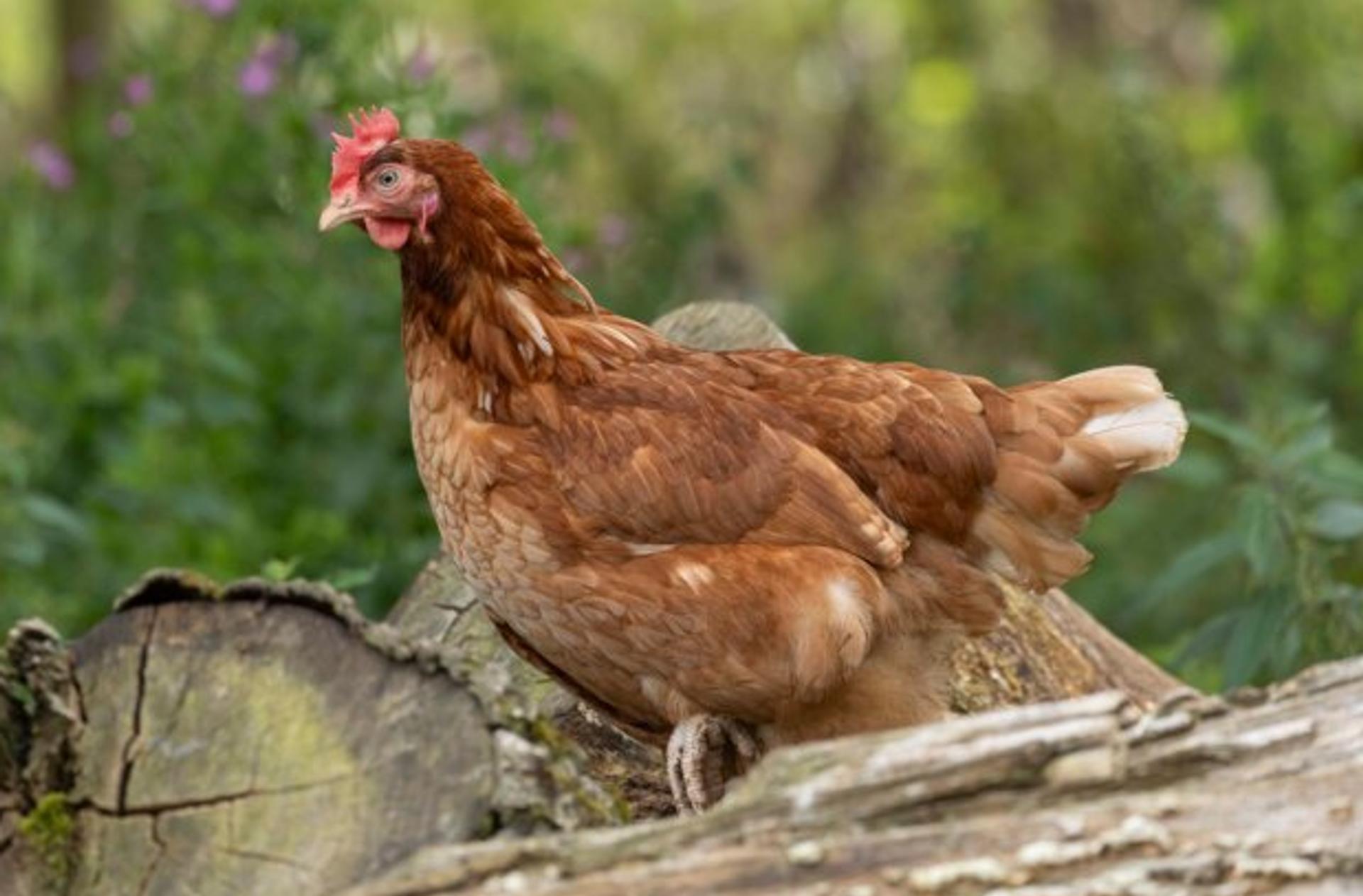
Frustration with not being able to access the range
- Housing birds can cause frustration, whether they are housed for a short period or for an extended period.
- We recommend providing additional high-value, novel enrichment when birds are housed. This gives hens alternative positive activities to engage with while they cannot access the range.
- For example, scatter feeding at particular times of day can encourage foraging behaviour. If a new form of enrichment is introduced, it is important to maintain it consistently once it has been established.
- Another option is to use a translucent material for the pophole modification. This allows natural daylight to enter while reducing the hens' ability to clearly see the range outside.
Smothering and piling
Flocking to popholes
- There are several ways to manage birds that flock to popholes when they hear the motor start.
- One option is to run the feed line at the same time as the pophole motor, encouraging birds away from the pophole area and towards the feeding system.
- Another option is to design the modification so that it effectively creates a window within the pophole. This would allow natural daylight to enter without needing to operate the pophole motor whenever the birds need to be housed.
Smothering and piling
- E6.4 does not increase the amount of natural daylight that birds normally receive through their popholes. The purpose of the standard is to maintain the existing natural daylight levels when birds are housed.
- However, if your flock has a history of piling or smothering, there are a number of management measures that may help reduce the risk.
- Smothering occurs when birds pile on top of one another, potentially resulting in suffocation and death. It can be upsetting and frustrating to see, and in some circumstances it may be preventable through appropriate management.
- Two broad types of smothering behaviour can occur:
Fright smothering and piling
This can be triggered by sudden disturbances such as loud noises or predators. Birds may crowd into corners or underneath shelters. These events can be isolated and difficult to predict or manage. Research indicates that fewer than 7% of piling events are attributed to birds being frightened.
Creeping smothering and piling
This involves birds gradually gathering in areas that they find particularly attractive, potentially because of factors such as warmth or an attractive area of floor. These events generally result in lower mortality per incident but can become an ongoing problem.
What can contribute to smothering and piling?
The causes are not fully understood, but possible contributing factors include:
- Group stress, including stress associated with pain, fear, frustration, aggressive interactions or injurious pecking.
- Genetics, with brown flocks generally considered to have a greater tendency to flock together than white flocks.
- Fear responses, as chickens are prey animals and may find safety in numbers and under overhead protection.
- Environmental or management factors that create attractive areas where birds gather.
What can I do to reduce the risk?
Consider reviewing your current management practices, including:
- Maintaining good litter quality and addressing water leaks or wet areas.
- Ensuring adequate ventilation and avoiding inappropriate drafts around the scratch area.
- Ensuring nest boxes and perches are accessible and that birds can interact with existing enrichment.
- Monitoring when piling occurs. Piling is often observed 4–8 hours after light onset, when birds are more likely to be using the litter area for activities such as dustbathing.
- If appropriate, changing the timing of the lighting routine by an hour for one day may help disrupt an established routine.
- If birds repeatedly smother in the same location, placing a disinfected pallet in the affected area may help provide space for birds at the bottom of a pile to breathe.
- Keeping birds occupied during the afternoon by running feeders more frequently. Feed management should avoid excessive restriction, and water must never be restricted.
- Providing additional scatter feed, grit, oats or corn on the litter to encourage foraging. If this approach is introduced, it should be maintained consistently.
- Increasing enrichment, such as hanging lucerne bales, and replenishing them when required.
- Where piling occurs around a particular area, such as a pophole, a suitable visual deterrent may help discourage birds from gathering there. This could include hanging a plastic bag over this area.
- Using suitable barriers to prevent birds becoming trapped in corners and to reduce mortality during piling incidents.
Electric wires or suitable matting may be considered as a last resort to discourage piling in corners, but these must never be used to prevent birds from accessing usable space.
Important: Electric wires under popholes are not permitted under the law or the RSPCA laying hen standards.
Feather pecking
- Reducing the light level in the shed should only be considered as a last resort when managing injurious feather pecking.
- Standard E6.4 does not require any additional natural daylight to be provided. The purpose of the standard is to maintain the natural daylight that the hens would normally receive through the popholes when they have access to the range.
- If a flock has a problem with injurious feather pecking, restricting the birds to the house would not be an appropriate long-term solution (outside any times the birds have to be housed, e.g an Avian Influenza housing order).
- Under standard E6.4, when birds do need to be housed, they should continue to experience the same natural daylight levels they would normally receive when they have access to the range.
- Several factors can influence the risk of injurious feather pecking, so management should focus on identifying and addressing these rather than simply reducing light levels.
- Standard E6.4 should therefore not be viewed as a requirement to increase light intensity or create a new lighting environment for the birds. Its purpose is to maintain the natural daylight that hens would normally receive through the popholes when they have access to the range.
- There are a number of factors that can influence the risk of injurious feather pecking, so management should focus on identifying and addressing these rather than simply reducing light levels:
Maintain good litter quality
- Fix water leaks promptly.
- Remove wet areas.
- Ensure ventilation is sufficient.
- Top up with fresh litter where required.
- Keep litter well mixed to prevent capping.
Avoid unnecessary changes to feed
- Keep the grit size consistent between feed batches where possible.
- Avoid sudden changes in feed composition or nutritional value.
Factors that can increase the risk of injurious feather pecking include:
- Moving birds from pullet-rearing accommodation to the laying house.
- Underweight or uneven flocks with large variations in bird weight.
- Changes in the feed provided.
- Environmental changes, including changes in weather, unexpected noises or equipment malfunctions.
- Disease and pest challenges, particularly red mite and vermin.
- Changes in light intensity or lighting patterns.
Factors that can reduce the risk include:
- Good-quality pullets that are evenly sized and weighted and reared to high standards.
- Pullet-rearing environments that closely mirror the conditions they will experience on the laying farm - a "seamless transition."
- Pullets with a calm disposition that are also robust enough to cope with changes in their environment and management.
- Birds that make good use of the range and regularly engage in activities such as dustbathing and litter scratching.
- Competent and calm stock keepers.
- Well-designed houses with good-quality litter.
Friday 28 August 2026