
A higher welfare Christmas
Tuesday, 16 Dec 2025
Have yourself a higher welfare Christmas - even if your turkey was reared indoors. RSPCA Assured labelled turkeys are always higher welfare, no matter how they are reared
Bird flu restrictions brought in last month mean all turkeys farmed in England, Wales and Northern Ireland must be housed indoors this Christmas, to keep them safe. That’s why RSPCA Assured is encouraging shoppers who choose to eat turkey to check the label and only buy birds that have been reared to higher welfare standards.
Every year, millions of turkeys are reared in the UK for Christmas, the majority of which are still kept in crowded, barren environments with little enrichment or space to move.
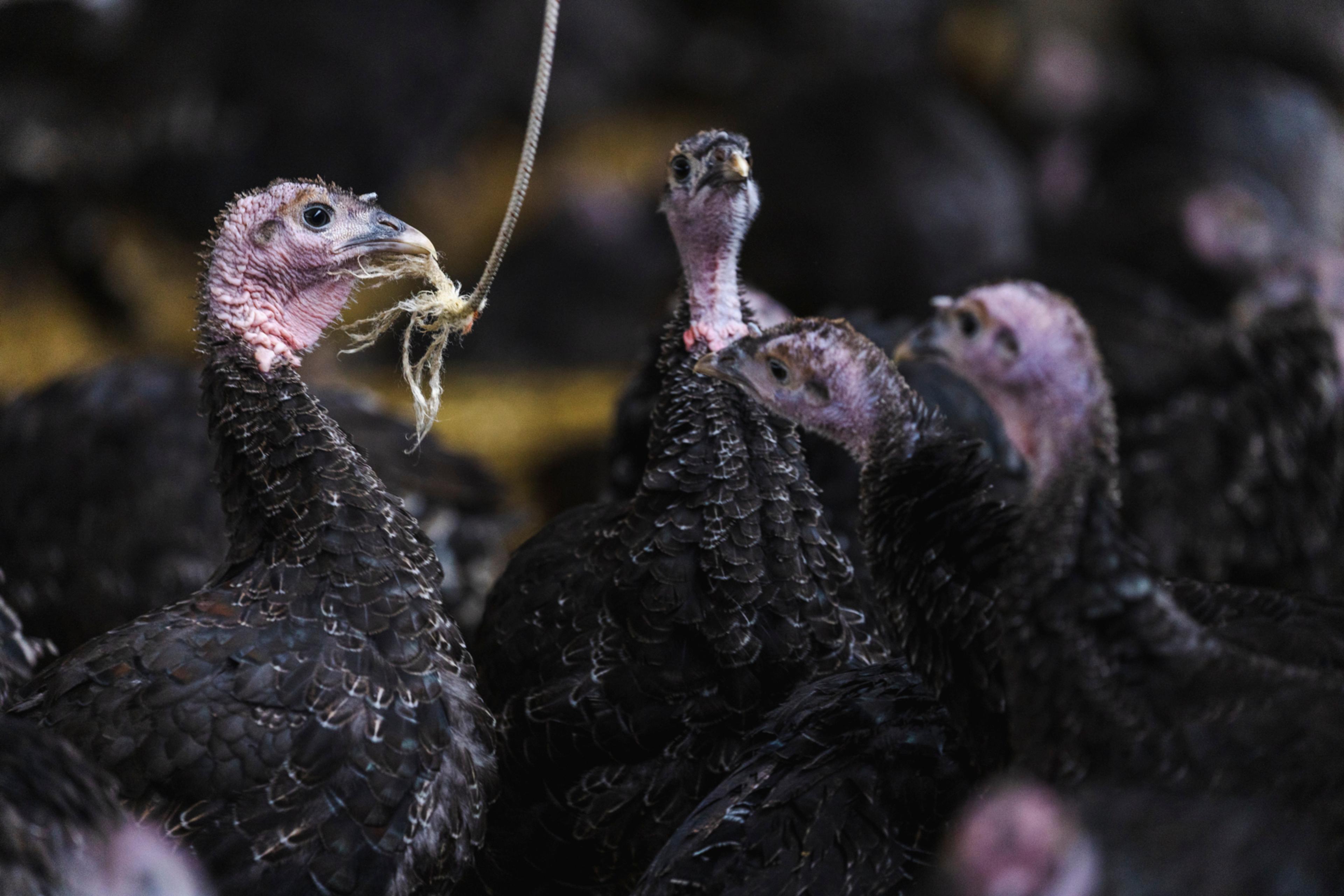
Izzy Candy, head of farming and technical engagement at RSPCA Assured, says: “Bird flu risks mean some turkeys have been kept indoors this year for their safety and wellbeing. We know people care about where their food comes from, and many will be concerned about what this means for turkey welfare.
“As a nation of animal lovers, we all want to make kinder choices. Our surveys show 85%* of people think it’s important that farmed animals are reared to higher welfare standards, and 78%** believe their shopping choices make a positive difference to farmed animals’ lives.
“That’s why it’s so important to know that turkey farms certified by RSPCA Assured are always higher welfare, whether they rear their birds indoors or outdoors.”
Turkeys are inquisitive, intelligent birds. They need space to move, access to natural daylight, and plenty of enrichment to stay active and healthy. For a turkey to be labelled RSPCA Assured, more than 700 rigorous welfare standards must be met - covering every stage of their life, from hatching to slaughter.
The RSPCA welfare standards go above and beyond legal requirements in many key welfare areas, and all RSPCA Assured member farms are assessed annually, as well as being subject to unannounced visits. All turkeys from RSPCA Assured certified farms, whether they are reared indoors or outdoors, have:
- Plenty of space to move around freely and flap their wings
- Raised perches, so they can roost at night, rest and clean their feathers
- A comfortable environment with clean and dry bedding, with an average minimum depth of 5cm
- Straw bales, perches and rope to peck at to encourage them to perform natural behaviours
- Access to at least eight hours of natural daylight during the day, via windows when birds are indoors. This encourages them to be active and healthy
- Access to at least eight hours of darkness to allow them to rest properly
- A visit from a farm worker at least three times a day to check on their welfare.
Sadly, not every turkey experiences higher-welfare conditions. Even in the UK, a country often praised for high welfare standards, the basic legal minimum welfare requirements for turkeys are standard across many farms - and do not meet their complex welfare needs. This means most turkeys won’t have:
- Enough space to move, rest or avoid aggressive birds
- Litter that’s deep enough for them to be comfortable - there’s no legal minimum depth for bedding. Too little can increase the risk of turkeys suffering leg health issues
- Any enrichment to peck at - there’s no legal requirement for enrichment, which can lead to harmful behaviours like pecking feathers
- Enough time to rest - there are no time limits for how long turkeys are given light and darkness, which can damage their eyes
- Regular inspections - farmers are only required to inspect turkeys once a day, which means a turkey could be suffering and it would go unnoticed for up to 24 hours.
“If you choose to eat meat, fish, eggs and dairy, shopping for higher welfare labels, like RSPCA Assured or organic, means you’re helping farmed animals live better lives,” Izzy adds. “But if you don’t check the label, you might be supporting lower-welfare farming without knowing. The more people demand higher welfare food, the more shops will stock it – and the more animals will be farmed to higher welfare standards.
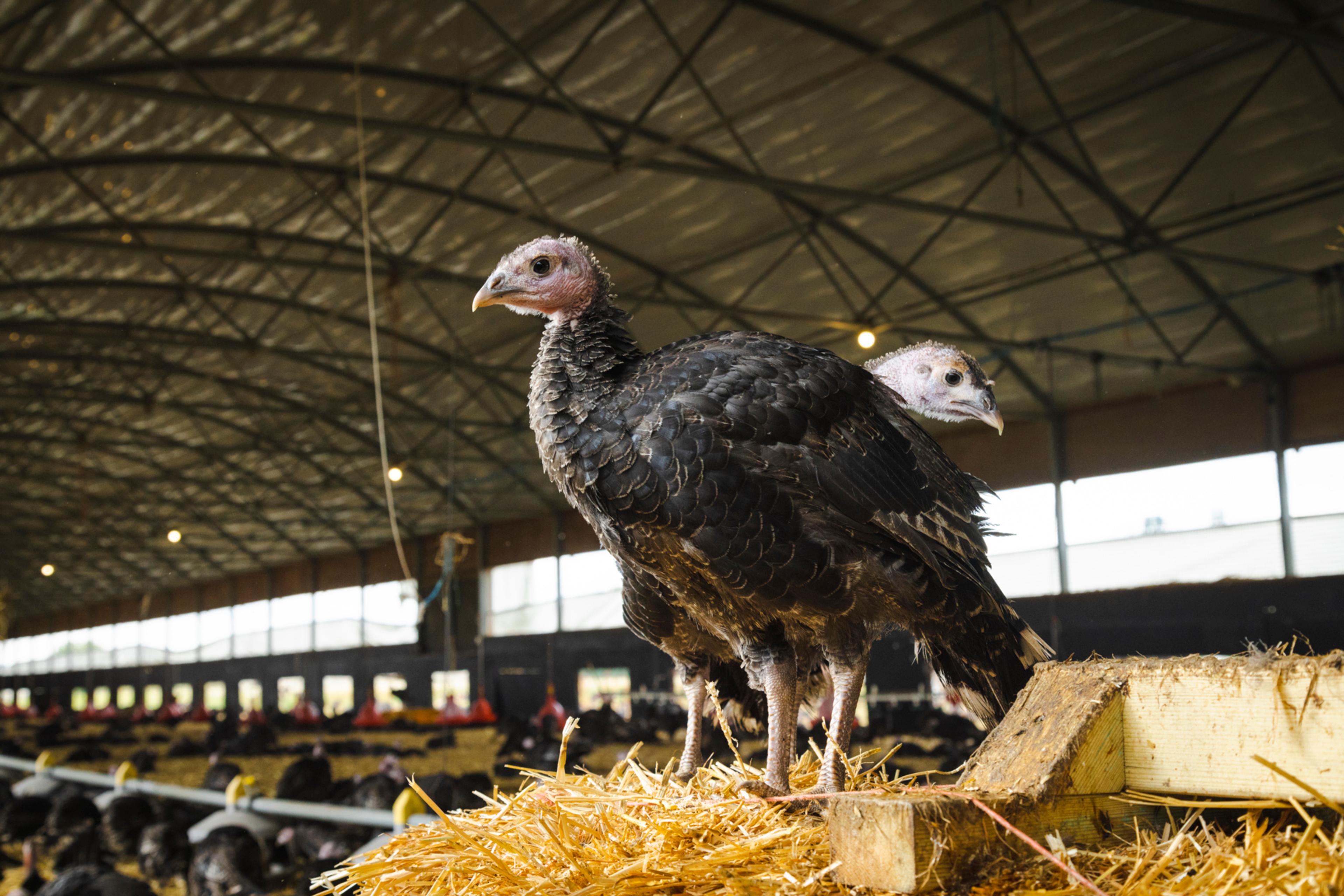
“Choosing a higher-welfare labelled turkey might seem like a small action – but it makes a big difference to millions of animals. It’s one of the most important things you can do for farmed animal welfare this Christmas.”
RSPCA Assured labelled turkeys are available in most major supermarkets, including Aldi, Co-op, Lidl, M&S, Morrisons, Sainsbury’s and Tesco.
If you can’t find an RSPCA Assured labelled turkey in your supermarket, you can use RSPCA Assured’s ‘ask your supermarket’ tool, to encourage them to stock more higher-welfare products.
*RSPCA Assured commissioned survey conducted by YouGov Plc. Total sample size was 2139 adults. Fieldwork was undertaken 16-17 July 2025. The survey was carried out online. The figures have been weighted and are representative of all UK adults (aged 18+).
**RSPCA Assured commissioned survey conducted by YouGov Plc. Total sample size was 2068 adults. Fieldwork was undertaken between 3rd - 5th January 2025. The survey was carried out online. The figures have been weighted and are representative of all UK adults (aged 18+).