What’s veal, and why does it matter for calf welfare?
By Holly Gower, RSPCA senior scientific and policy officer
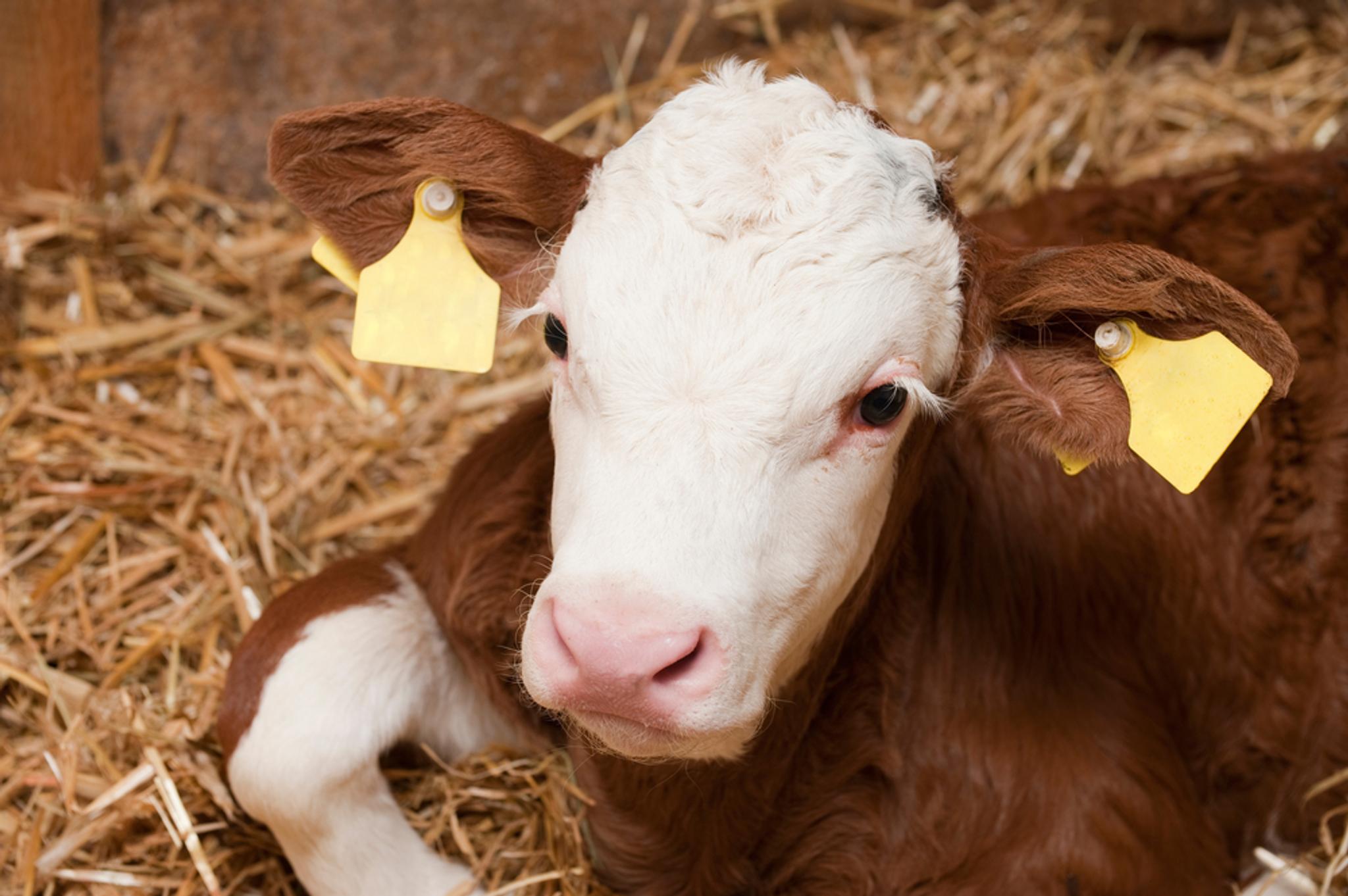
When I talk to people about veal, I often hear surprise – or even concern. Many think veal is a thing of the past or that it’s always linked to poor animal welfare.
As a farm animal welfare scientist at the RSPCA, I work on calf welfare all the time, so I know the reality in the UK is very different – and understanding how veal is produced matters if we want to ensure calves are treated well.
But where does veal come from? Veal is meat from young cattle under eight months old.
Most of the calves reared for veal are male calves from dairy herds. This is because they can’t produce milk, unlike the females.
What kind of meat is veal?
Veal is a red meat from calves slaughtered before they’re eight months old.
However, it differs from traditional beef in that it’s often paler, due to the age of the calves and their typical diet.
When comparing veal versus beef, the main difference is the age of the animal: beef comes from older cattle.
Is veal banned in the UK?
No. Veal production is legal here, but there are important differences in how it’s produced elsewhere in the world.
- White veal – mostly imported from Europe. These calves are often fed diets low in iron and fibre, which makes the meat pale. Sadly, such diets can cause anaemia and digestive problems, and the RSPCA strongly opposes these systems
- Rosé (pink) veal – the most common type in the UK, accounting for around 95% of production. These calves are usually reared in straw-bedded barns with good ventilation, fed a healthy diet and often kept in groups where they can interact and behave naturally.
Is eating veal unethical?
It depends on how the calves are reared. In some countries, calves may still be housed in barren pens, with limited bedding and poor diets, which causes suffering.
That’s why many people assume veal is cruel.
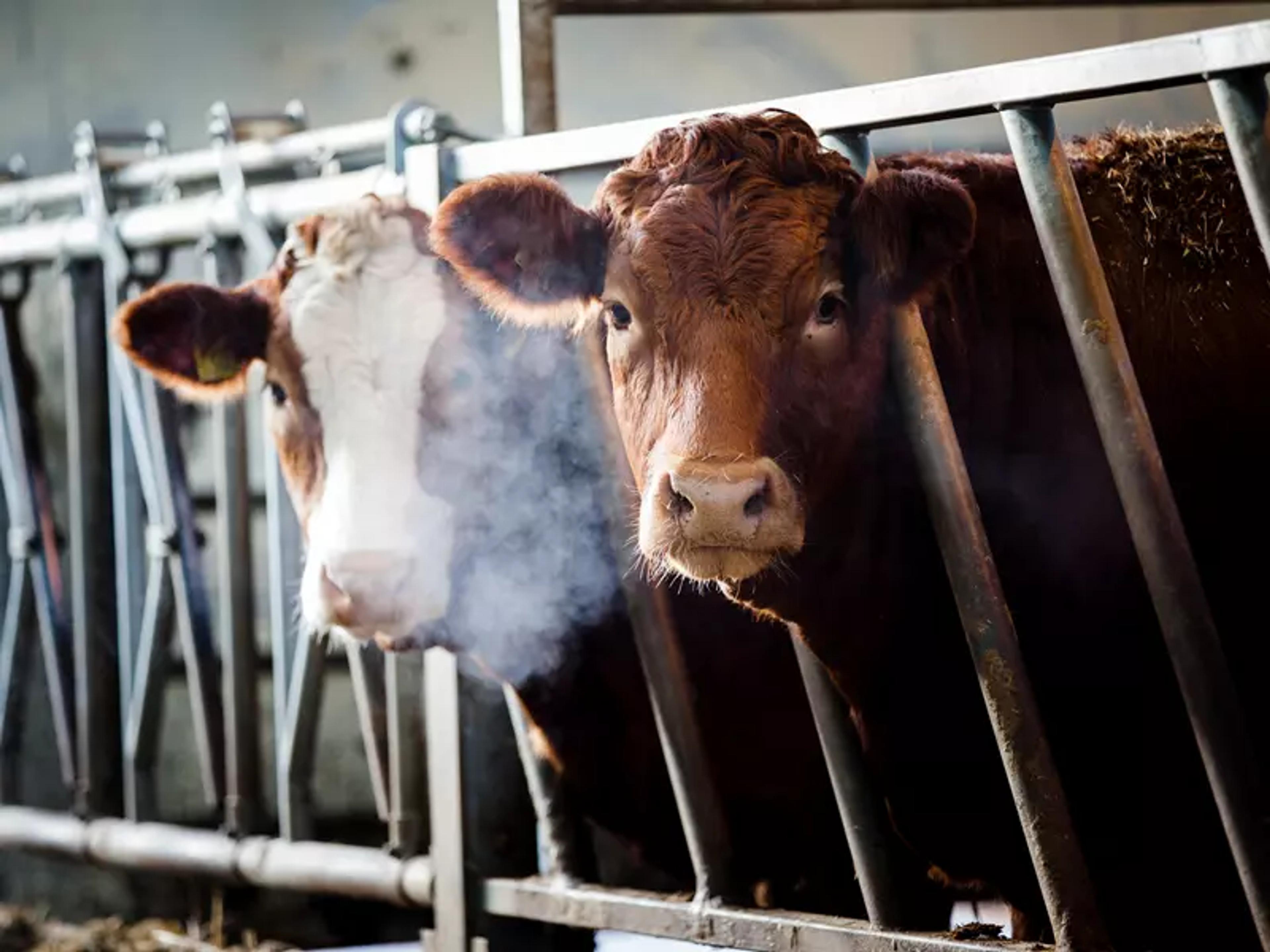
But in the UK, most calves are raised in barns with natural light, plenty of straw to rest on, and good nutrition. Some farms also give calves access to pasture.
The RSPCA’s welfare standards go further. They require calves to have:
- More space to move around in
- Deep straw bedding to lie on
- A balanced diet rich in fibre and iron
- Enrichment to encourage natural behaviours, like socialising and exploring.
While there are currently no veal calves covered by the RSPCA Assured scheme, we hope more farmers will adopt these higher welfare standards soon.
Do veal calves see daylight?
Yes. In the UK, calves are typically kept in open-sided barns. These let in natural daylight and fresh air.
By law, they must also have lighting that mimics typical day and night cycles, so the calves experience a proper routine and feel more comfortable.
What about veal crates?
Veal crates – tiny pens where calves couldn’t turn around or even groom themselves – were banned in the UK in 1992, and across the EU in 2006.
Thankfully, they’re now a thing of the past and calves in the UK can move, lie down and interact with others.
What happens to bull calves not used for veal?
The number of unwanted dairy bull calves has gone down thanks to innovations like ‘sexed semen’, which produces more female calves for milk production.
Other male calves are raised for beef. Importantly, under the RSPCA’s standards, healthy male calves can’t be killed simply because they’re not needed for milk.
Can veal calves be raised humanely?
Yes – when calves are reared to higher welfare standards, they can have a good quality of life.
On farms following the RSPCA’s welfare standards, calves:
- Have deep straw bedding to lie on
- Are given a balanced diet with plenty of iron and fibre
- Have more space to move around in.
How you can help improve veal calf welfare
Right now, you can’t buy RSPCA Assured-labelled veal in supermarkets – but that could change with your support.
If you’d like to see higher welfare veal available, let your supermarket know through our simple ‘ask your supermarket’ page.
Every small action adds up to big change. By choosing higher-welfare products and asking for better standards, we can work together to ensure calves are treated with compassion.
Wednesday 20 May 2026